English

- All
- Product Name
- Product Keyword
- Product Model
- Product Summary
- Product Description
- Multi Field Search

| Quantity: | |
|---|---|
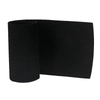
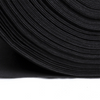
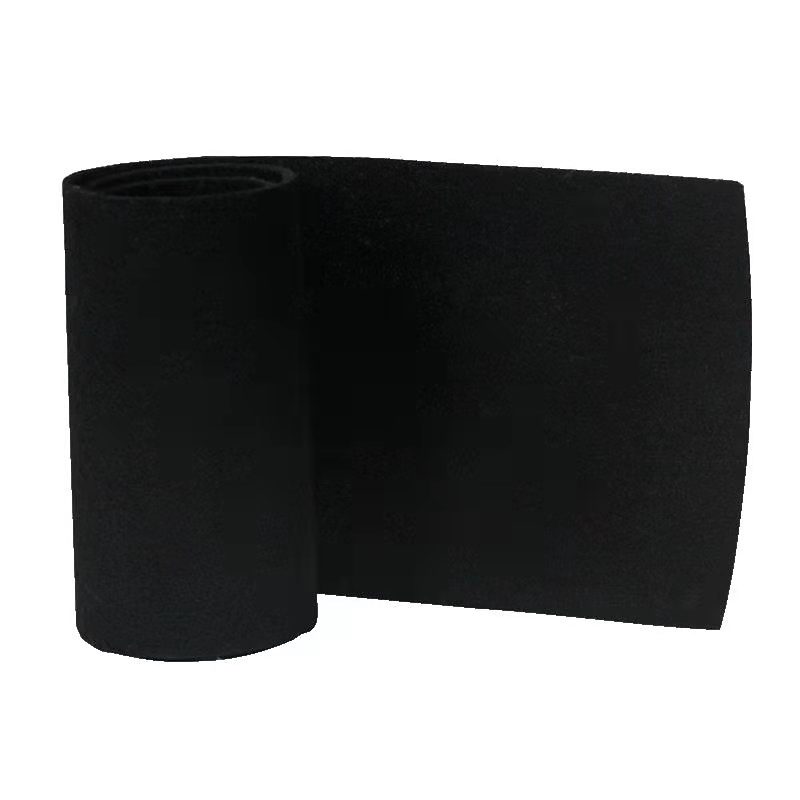
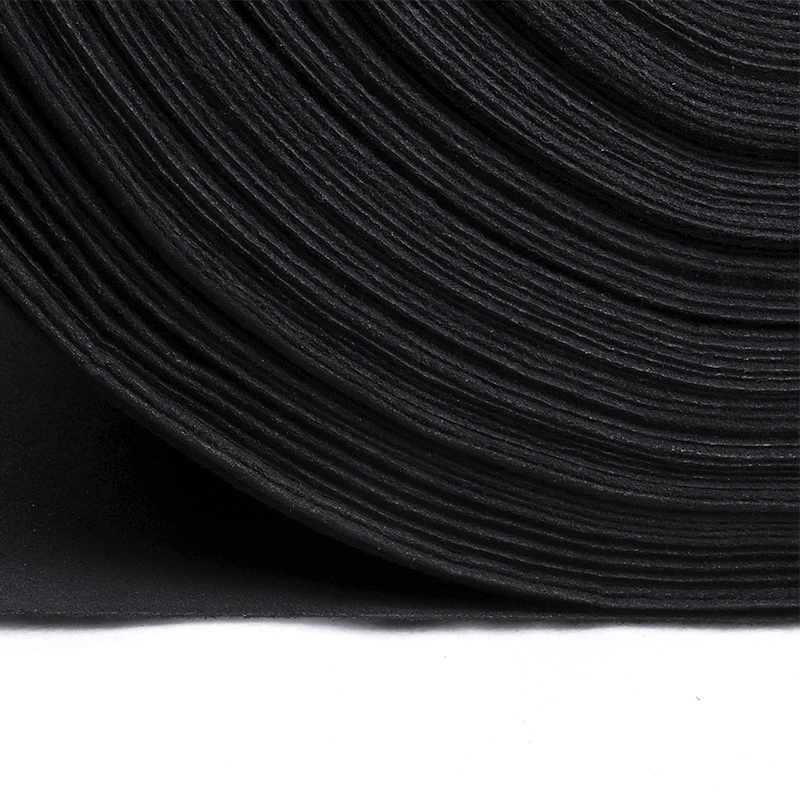
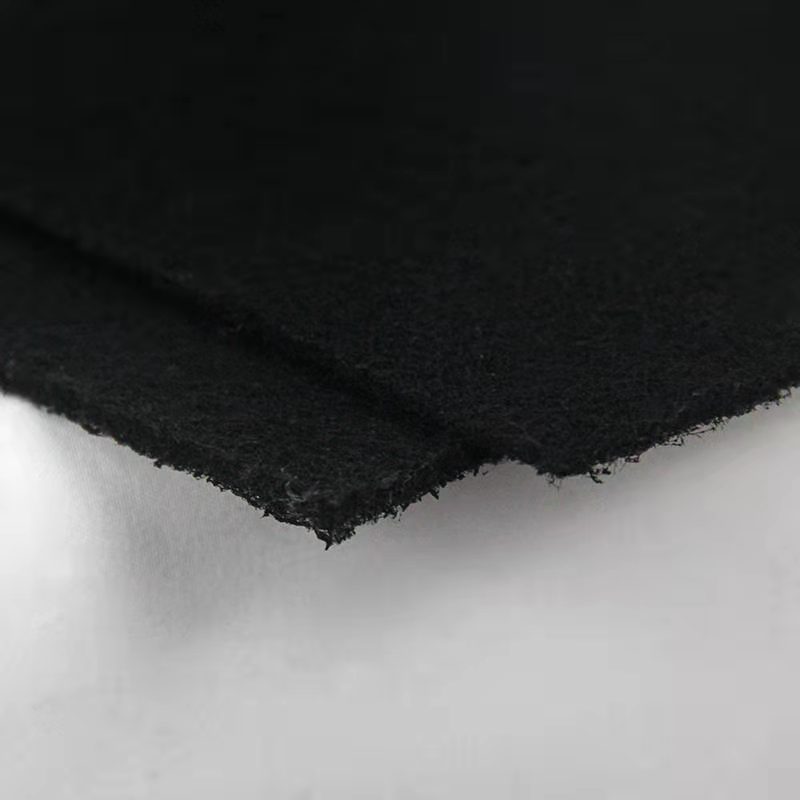
The Odor Absorber Fibrous Activated Carbon Filter Media represents an advanced engineered solution designed specifically for demanding air purification and gas-phase filtration environments. The foundation of this media lies in its highly specialized composite structure, utilizing premium-grade PET polyester fibers seamlessly integrated with finely milled powdered activated carbon. This meticulous manufacturing process ensures an exceptionally uniform distribution of carbon particles throughout the fibrous matrix. The result is an extraordinarily large specific surface area and a dense, interconnected microporous network. These structural characteristics are absolutely essential for capturing microscopic particulate matter while simultaneously trapping complex gaseous pollutants through both physical and chemical adsorption mechanisms.
Delivering a true dual-action performance, the media consistently achieves stringent G3 to G4 dust filtration efficiency standards. Concurrently, the activated carbon component executes rapid and reliable adsorption of volatile organic compounds, including hazardous substances like formaldehyde and toluene. This makes the filter media highly proficient at neutralizing persistent, noxious odors and volatile chemicals commonly found in commercial and industrial facilities.
Mechanical integrity and chemical stability are paramount in continuous-duty air handling applications. The material is engineered to maintain its structural form under fluctuating airflow velocities, presenting consistently low airflow resistance. This aerodynamic efficiency directly translates to optimized fan energy consumption and reduced operational overhead for facility management. Furthermore, the media accommodates substantial dust loading capacities, significantly extending the operational lifecycle of the filtration unit before replacement becomes necessary.
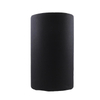
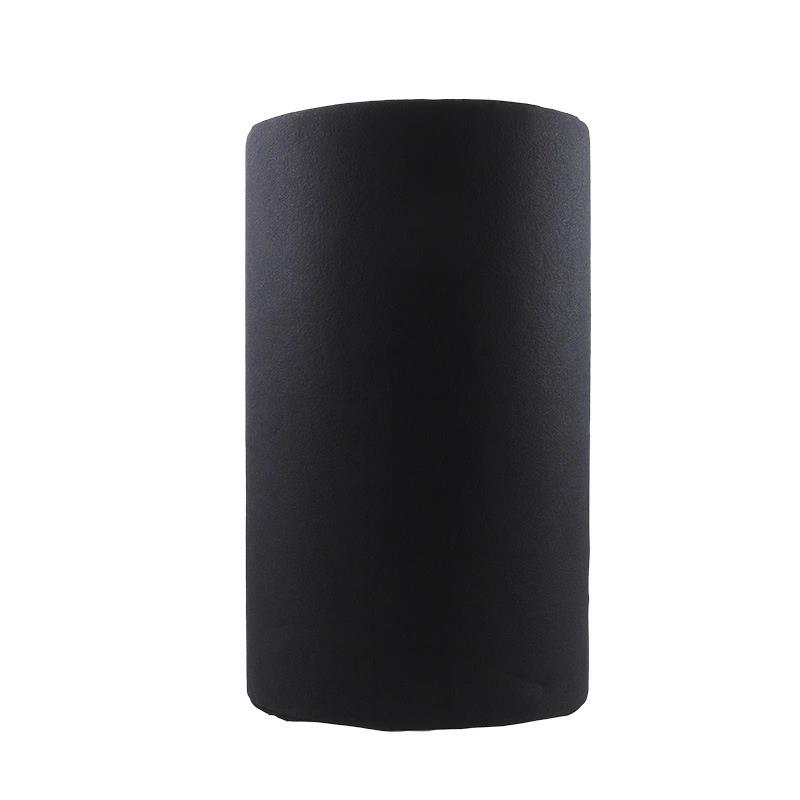
From a fabrication perspective, the fibrous nature of the media allows for precise formability. It can be accurately cut, pleated, and folded to fit specific frame dimensions or custom housing geometries. Available in bulk roll formats or as pre-cut finished dimensions, it supports flexible original equipment manufacturing requirements and exact facility specifications. The media also aligns with rigorous safety protocols, featuring inherent flame-retardant properties and resisting chemical degradation, thereby providing a secure and compliant filtration barrier.
The exceptional versatility and robust construction of the Odor Absorber Fibrous Activated Carbon Filter Media make it an indispensable component across a wide spectrum of complex air management infrastructures. In large-scale commercial HVAC ventilation systems, this media serves as a highly effective primary or secondary filtration stage. It ensures superior indoor air quality and occupant comfort by systematically eliminating external atmospheric pollutants and internal recirculated odors before the air is distributed throughout the building envelope.
Industrial cooling systems also benefit significantly from the integration of this specialized filtration media. By deploying this material at the air intake stages, facilities can prevent the ingress of corrosive environmental gases and abrasive particulate buildup on sensitive heat exchange coils. This proactive filtration approach is critical for maintaining optimal thermal transfer efficiency and preventing premature equipment degradation caused by atmospheric contaminants.
Furthermore, the media is heavily utilized in dedicated exhaust gas purification and heavy-duty dust treatment systems within manufacturing and processing facilities. It is specifically tasked with capturing hazardous volatile organic compound emissions generated during chemical processing, industrial painting, or solvent handling operations. By effectively scrubbing these exhaust streams, the media ensures that discharged air complies with increasingly stringent environmental emission regulations. By combining reliable particulate arrestance with advanced gas-phase filtration in a single media layer, facility managers can streamline their air handling units, reducing the spatial footprint and maintenance complexity associated with managing multiple separate filter housings.
Material | polyester fiber (PET) + powdered activated carbon |
Filter grade | G3-G4(EN779) |
Flame retardant rating | all kinds of harmful gases |
Final resistance | 300Pa (recommended) |
Temperature resistance | ≤100℃ |
Instantaneous temperature resistance | 120℃ |
Humidity resistance (relative humidity) | ≤80% |
Understanding the precise operational limits and establishing proper maintenance triggers for the Odor Absorber Fibrous Activated Carbon Filter Media is vital for maintaining optimal system performance and ensuring continuous environmental compliance. The media is structurally engineered to withstand continuous operating temperatures up to 100 degrees Celsius, demonstrating remarkable thermal stability. For processes subject to thermal fluctuations, it possesses the capacity to endure instantaneous temperature spikes reaching up to 120 degrees Celsius without experiencing material degradation or loss of adsorption efficiency. Additionally, the filter media remains fully functional in humid environments, tolerating up to 80 percent relative humidity. This moisture resistance is crucial for preventing humidity-induced structural collapse or the premature blinding of the activated carbon pores, which would otherwise compromise the gas-phase filtration capacity.
To maximize energy efficiency and ensure consistent odor and particulate removal, facility operators must closely monitor the pressure drop across the active filter bank. The recommended final resistance for scheduled filter replacement is established at 300 Pascals. Operating the filtration system beyond this specific aerodynamic threshold will lead to exponentially increased fan strain, elevated electrical consumption, and significantly reduced volumetric airflow. Furthermore, comprehensive replacement schedules should not rely solely on pressure drop; they must also account for activated carbon saturation levels. Saturation rates are entirely dependent on the specific concentration and types of volatile organic compounds and odors present in the target airstream. Implementing proactive monitoring protocols ensures continuous, uninterrupted protection against harmful gases and maintains the overall mechanical integrity of the ventilation or exhaust infrastructure.