English
- All
- Product Name
- Product Keyword
- Product Model
- Product Summary
- Product Description
- Multi Field Search
| Quantity: | |
|---|---|
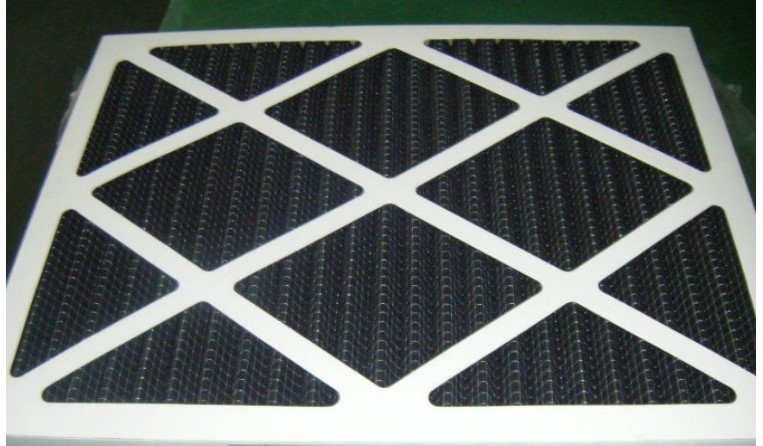
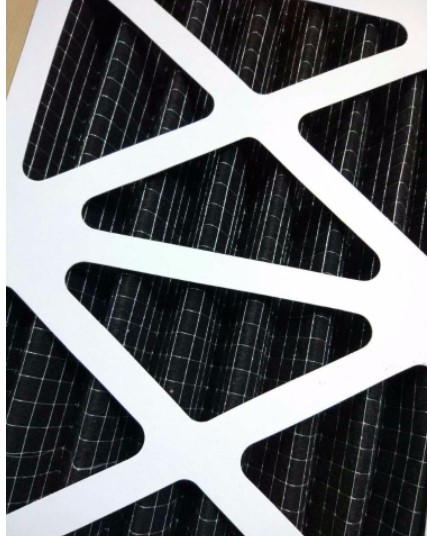
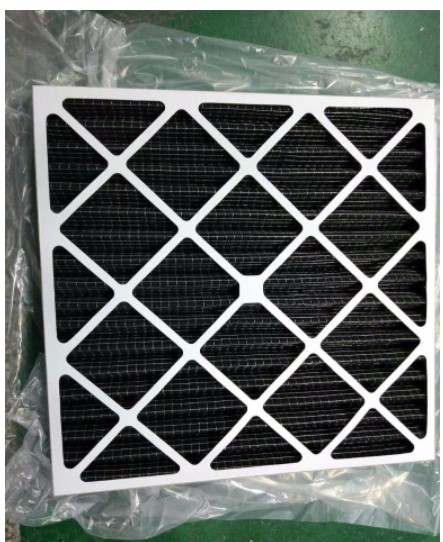
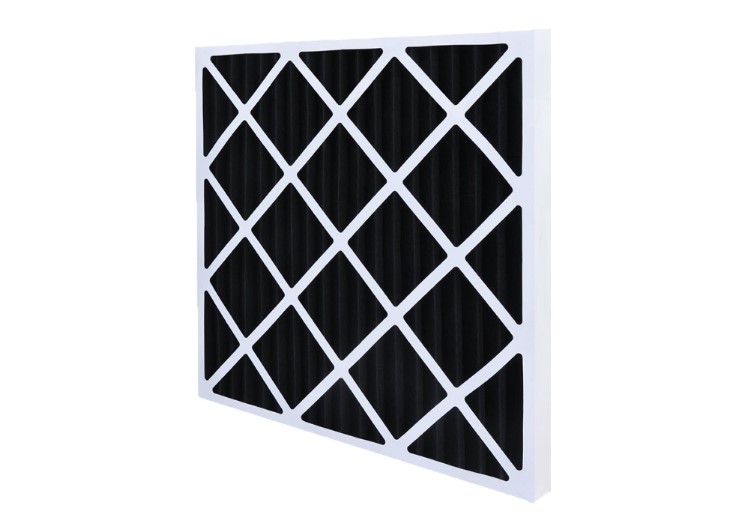
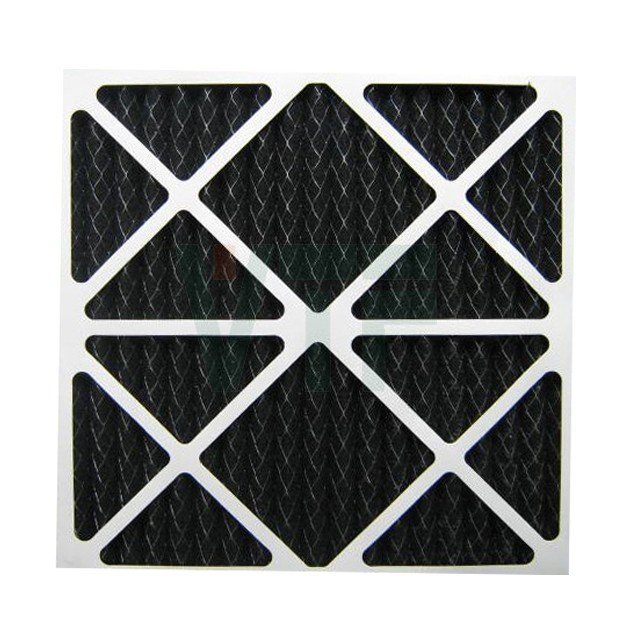
The Activated Carbon Air Filter with Cardboard Frame is a specialized gas-phase filtration product designed to remove harmful gases, odors, and fine dust. It combines high-pore activated carbon (with a large specific surface area) and a lightweight, rigid cardboard frame, delivering strong adsorption performance while ensuring easy installation. This disposable filter efficiently captures volatile organic compounds (VOCs) like formaldehyde and toluene, neutralizes odors, and filters dust—making it ideal for ventilation, cooling, and dust removal systems. Its low airflow resistance and good chemical stability ensure long-term, reliable operation without straining equipment.
Parameter | Specifications |
Core Components | High-pore activated carbon (adsorption layer) + rigid cardboard frame |
Filtration Function | Gas-phase (VOCs/odors) + dust filtration |
Nominal Thickness | 2” and 4” models |
Adsorption Capacity | High (effective for formaldehyde, toluene) |
Initial Airflow Resistance | ≤30 Pa (at nominal velocity of 0.25 m/s) |
Mechanical Strength | Good (resists deformation during installation) |
Disposability | Yes (single-use, low maintenance cost) |
Compatible Housings | All standard front/side access filter housings |
Operating Temperature | -10°C to 60°C |
The activated carbon’s rich pore structure and large specific surface area enable efficient capture of formaldehyde, toluene, and other VOCs, improving air quality and meeting safety standards.
Unlike ordinary dust filters, it targets and neutralizes odors from industrial exhaust, food processing, or chemicals, creating a more comfortable environment.
The rigid yet lightweight frame simplifies handling and installation, fitting seamlessly into standard housings. It also reduces transportation and installation costs.
It produces little to no dust during use, avoiding secondary air contamination and protecting sensitive equipment (e.g., HVAC components).
As a disposable filter, it eliminates the need for cleaning or regeneration. Simply replace when saturated, reducing maintenance time and labor costs.
Industrial Exhaust Purification: Treats exhaust from chemical plants, printing facilities, and paint shops to remove VOCs and odors.
Commercial Ventilation: Filters air in offices, malls, and warehouses to improve indoor air quality and reduce odors.
Cooling/Dust Removal Systems: Complements cooling units and dust collectors in woodworking or metalworking facilities.
Intermittent Gas Use: Suitable for temporary setups (e.g., chemical storage areas) due to easy replacement.
Compact Spaces: Fits small filter housings in labs or retail stores to address localized odor/VOC issues.
Install in standard front/side access housings, ensuring the activated carbon layer faces the air inlet (follow frame markings). Do not bend the cardboard frame to avoid damaging the carbon layer.
Replace every 3–6 months under normal use; in high-VOC environments (e.g., paint shops), replace every 1–2 months. Renewed odors indicate saturation.
Store in a dry, ventilated area to prevent moisture absorption (which reduces carbon adsorption capacity). Keep away from strong chemicals.
It effectively removes formaldehyde, toluene, benzene, and other common VOCs, as well as odors from smoke or food.
Yes, the frame is rigid enough for industrial ventilation but should be protected from moisture or physical impact.
No, it is disposable. Cleaning will destroy the activated carbon’s adsorption ability.
It fits all standard front/side access housings—match the 2”/4” thickness to your system’s requirements.