English
- All
- Product Name
- Product Keyword
- Product Model
- Product Summary
- Product Description
- Multi Field Search
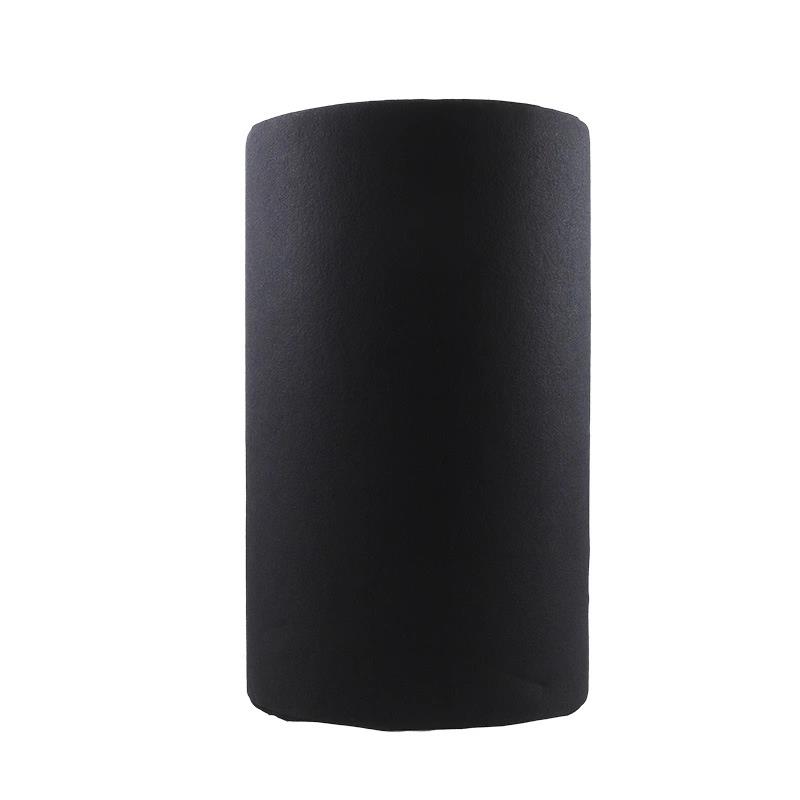

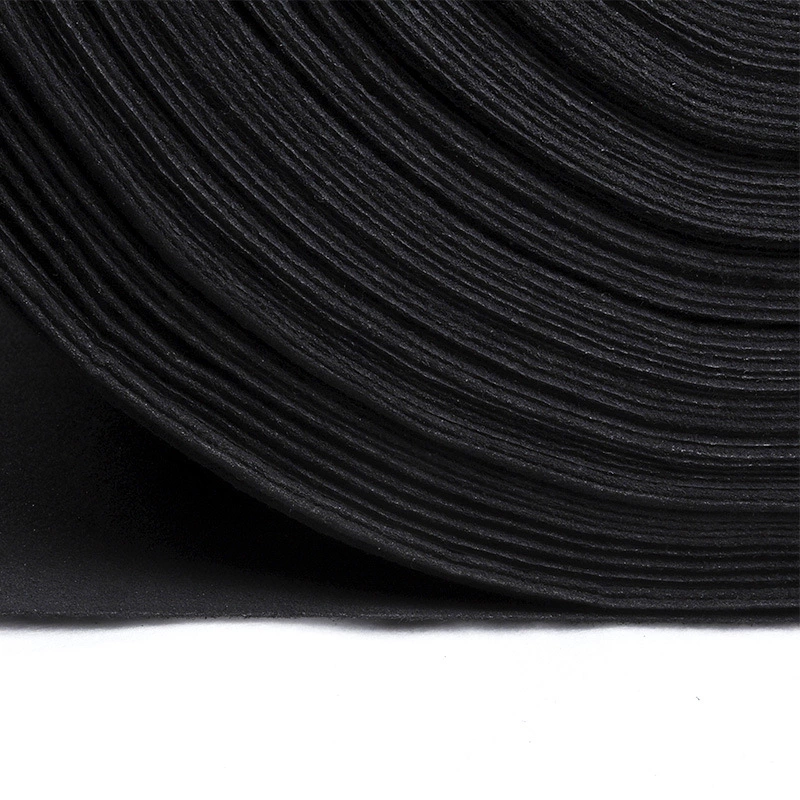
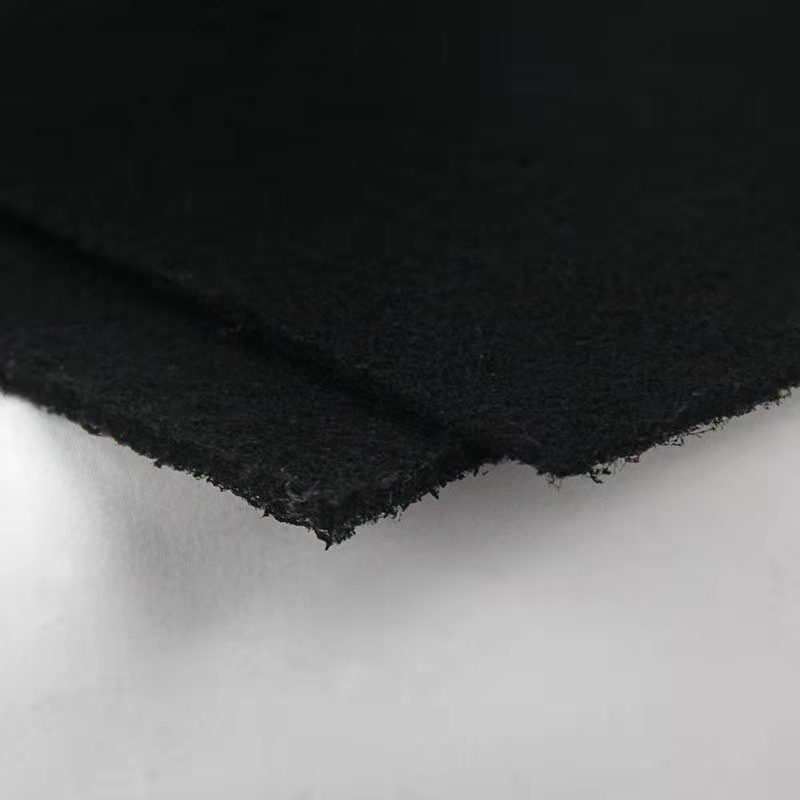
Characteristics
Rich pore structure and large specific area;
Strong adsorption capacity for harmful gases for example formaldehyde and toluene;
Good deodorizing outcome;
Good chemical stability and high mechanical strength;
Good formability in addition to low airflow resistance;
Small level of resistance and large dust possessing capacity.
Applications
It is suitable for exhaust gas purification and dust filtration in various ventilation systems, cooling systems and dust removal systems.
| Quantity: | |
|---|---|
The Anti-Moisture Activated Carbon Air Filter Foam is a specialized air filtration product that integrates moisture resistance with powerful activated carbon adsorption. Composed of polyester fiber (PET) and powdered activated carbon, it addresses two core air quality challenges: eliminating harmful volatile organic compounds (VOCs) and capturing dust, while remaining stable in humid conditions. Unlike standard activated carbon filters that degrade easily in damp environments, this foam’s humidity-resistant design (≤80% RH) ensures consistent performance, making it a cost-effective choice for commercial, industrial, and even residential air purification needs.
Parameter | Specifications |
Material | Polyester fiber (PET) + powdered activated carbon |
Filter Grade | G3-G4 (compliant with EN779 standard) |
Flame Retardant Performance | Effective for filtering various harmful gases |
Final Resistance | 300Pa (recommended operating value) |
Continuous Temperature Resistance | ≤100℃ |
Instantaneous Temperature Resistance | 120℃ |
Humidity Resistance (Relative Humidity) | ≤80% |
With a rich pore structure and large specific surface area, the filter foam delivers exceptional adsorption capacity for formaldehyde, toluene, and other harmful gases. It also eliminates unpleasant odors (e.g., kitchen fumes, industrial exhaust smells), creating a healthier breathing environment.
The product’s excellent chemical stability prevents breakdown in humid or chemically active environments— a common flaw in traditional activated carbon filters. This stability extends its service life and avoids frequent replacements.
Featuring low airflow resistance, the filter minimizes energy use for ventilation or cooling systems. Its large dust holding capacity also captures more particulate matter, reducing maintenance frequency and long-term costs.
The foam’s good formability allows it to be cut or shaped into custom sizes, fitting various ventilation, cooling, or dust removal system designs without compromising filtration efficiency.
The Anti-Moisture Activated Carbon Air Filter Foam is widely used in:
Commercial ventilation systems (shopping malls, office buildings, restaurants) to remove VOCs and odors.
Industrial cooling systems (manufacturing plants, power stations) for exhaust gas purification and dust filtration.
Residential spaces (basements, kitchens, laundry rooms) where humidity and dust are common issues.
Specialized dust removal setups (woodworking shops, printing facilities) to capture fine particles and chemical fumes.
Inspect the filter for tears or cracks before installation; damaged foam will reduce efficiency.
Ensure a tight fit with the system housing to avoid air leakage around the filter edges.
Examine the filter every 1-2 months, especially in high-humidity or high-pollution areas.
Replace the filter when: (1) Airflow drops significantly; (2) Odors return; (3) It reaches 3-6 months (high-pollution) or 6-12 months (low-pollution) of use.
Store unused filters in a dry, ventilated area (temperature ≤30℃, RH ≤60%).
Avoid contact with sharp objects or heavy loads to prevent structural damage.
It adds moisture resistance (≤80% RH) to prevent degradation in damp conditions, while regular filters often fail here. It also combines G3-G4 dust filtration with VOC adsorption for dual functionality.
No. Prolonged exposure to temperatures above 100℃ damages the foam; it only withstands 120℃ instantaneously.
Yes. Its materials (PET + powdered activated carbon) are non-toxic and do not release harmful substances.
No. Most users can install it by cutting to size (if needed) and fitting it into the filter housing, following the system’s manual.
No. Once pores are saturated with dust or gases, cleaning won’t restore efficiency—replacement is required to avoid pollutant leakage.