English
- All
- Product Name
- Product Keyword
- Product Model
- Product Summary
- Product Description
- Multi Field Search
Views: 0 Author: Site Editor Publish Time: 2026-03-02 Origin: Site
The industrial spray coating sector plays a crucial role in multiple industries, from automotive manufacturing to electronics and consumer goods. However, despite its importance, this sector faces significant air quality challenges. Spray coating processes often release harmful particles, chemicals, and fumes, which pose serious risks to workers’ health, product quality, and the environment.
Among the various filtration technologies, panel filters have proven to be the most effective and practical solution for maintaining optimal air quality. In this article, we’ll explore why panel filters are essential for spray coating facilities and how they improve operational efficiency, health safety, and environmental compliance.
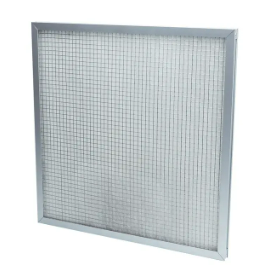
In spray coating facilities, the generation of airborne pollutants is inevitable. From the mist of liquid coatings and volatile solvents to the particulate matter released during the spraying process, these contaminants are hazardous to both workers and the environment.
Spray coating operations expose workers to a variety of airborne pollutants, including paint overspray, dust, and VOCs (volatile organic compounds). Long-term exposure to these contaminants can lead to respiratory diseases, skin conditions, and even long-term chronic illnesses. Workers in spray coating facilities are at risk for conditions such as asthma, bronchitis, and even cancer in extreme cases, making air filtration a critical component of worker health protection.
The overspray and chemicals released into the air not only pose a health threat but also contribute to environmental pollution. Spray coating operations must adhere to strict environmental regulations, such as those set by the EPA or local governing bodies, to control air emissions. Without effective filtration, these contaminants can spread into the surrounding environment, leading to poor air quality and contributing to environmental damage.
Maintaining air quality standards in spray coating facilities is more than just a matter of health and safety; it is also a legal requirement. Spray coating operations must comply with environmental standards that limit the levels of airborne pollutants. Panel filters help facilities meet these standards by effectively capturing harmful particles and gases, ensuring that they operate within legal limits and avoid costly fines or operational shutdowns.
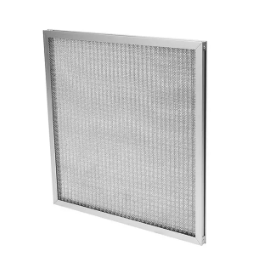
Panel filters are an ideal solution for spray coating environments due to their simple yet highly effective design. They are engineered to capture airborne particles, dust, and harmful gases, ensuring that the air remains clean throughout the coating process.
Panel filters consist of filter media that captures particulates as air passes through. The filter media is typically made from glass fiber, synthetic fibers, or polyester materials. These filters are designed in a flat-panel format, which allows them to be easily integrated into existing HVAC systems or spray booths without taking up excessive space.
The design of the panel filter ensures that air can flow through freely while particles are trapped in the filter material. By using a multi-layer filtration system, these filters can capture a wide range of particle sizes, from large dust particles to the fine mist created during spray coating.
As contaminated air enters the spray booth, it passes through the panel filter. The filter material works by trapping particles on its surface, preventing them from being released back into the air. This helps to maintain a clean air environment, reducing the concentration of harmful contaminants in the spray coating area.
The panel filter's efficiency is further enhanced by its ability to capture both solid particles and chemical fumes. Some filters come with activated carbon or other specialized materials to absorb VOCs and other gaseous pollutants, improving the overall air quality.
Panel filters offer several key advantages for spray coating operations. These benefits extend beyond just air quality control, contributing to cost savings, operational efficiency, and worker health.
Panel filters provide a highly cost-efficient filtration option for spray coating facilities. Compared to other types of filtration systems, such as HEPA filters or electrostatic precipitators, panel filters are more affordable both in terms of initial cost and maintenance. Their affordability makes them an attractive choice for facilities looking to reduce operational costs while still maintaining high filtration efficiency.
Despite their high-efficiency filtration, panel filters maintain low resistance to airflow. This is a significant advantage in spray coating facilities, where consistent airflow is essential for maintaining optimal conditions in the spray booth. By allowing air to flow freely while capturing contaminants, panel filters ensure that HVAC systems continue to operate at peak efficiency, reducing energy consumption and prolonging equipment life.
Panel filters contribute significantly to the protection of workers in spray coating environments. By capturing dust, fumes, and VOCs, panel filters help to create a safer, healthier workspace. Workers are less likely to experience respiratory problems, skin irritations, or exposure to harmful chemicals. Clean air also improves the comfort and concentration of workers, leading to better productivity and fewer health-related absences.
Airborne contaminants in the spray booth can settle on freshly coated surfaces, leading to defects such as dust spots or uneven coatings. By filtering out particles from the air, panel filters help ensure that the coating process is smooth and uninterrupted. This contributes to consistent, high-quality finishes in the final product, reducing the need for rework or waste.
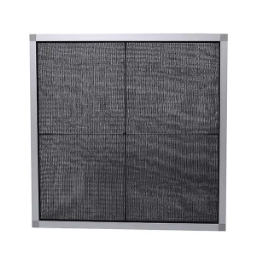
Selecting the correct panel filter for a spray coating facility involves understanding the specific needs of the operation, including the types of contaminants, airflow requirements, and regulatory standards. The following factors should be considered when choosing the ideal filter:
The Minimum Efficiency Reporting Value (MERV) rating helps determine the filter’s effectiveness at capturing particles of different sizes. For spray coating facilities, a MERV rating of 8-13 is typically sufficient to capture most dust and overspray. However, higher-rated filters may be necessary if the facility deals with fine particulates or requires additional VOC removal.
The choice of filter media is crucial in determining the filter's efficiency and durability. Glass fiber filters provide high-efficiency filtration for fine dust particles, while synthetic fibers offer durability and resistance to moisture. For VOC control, filters containing activated carbon can help absorb gaseous pollutants.
It is important to select panel filters that match the airflow capacity of the facility. Filters that are too restrictive can strain the HVAC system and reduce airflow, negatively impacting the coating process. Filters must be selected to balance filtration efficiency with airflow performance to ensure that the spray booth operates at optimal conditions.
Panel filters come in various sizes and configurations to meet the unique needs of different spray coating operations. The filter size should match the dimensions of the spray booth or HVAC system to ensure proper installation and functionality.
Panel filters are an essential component of air quality management in spray coating facilities. By effectively capturing dust, overspray, and harmful gases, they help maintain a cleaner, safer, and more productive environment. Their cost-effectiveness, low maintenance, and high filtration efficiency make them the ideal choice for spray coating operations of all sizes. By choosing the right panel filters and maintaining them properly, spray coating facilities can ensure worker safety, product quality, and regulatory compliance, while also improving the overall efficiency of their operations.