
- All
- Product Name
- Product Keyword
- Product Model
- Product Summary
- Product Description
- Multi Field Search
 English
Views: 0 Author: Site Editor Publish Time: 2026-11-18 Origin: Site


As a frontline coating engineer, I see this highly frustrating scenario constantly. You spend hours meticulously prepping, sanding, and masking a panel. You apply the clear coat and bake it. Yet, when you run a gloved hand over the fresh surface, you feel the dreaded sandpaper texture of dust nibs. Most industry veterans understand the fundamental necessity of a reliable paint booth air filter. However, a critical operational detail is often completely ignored. That detail is the specific order in which these filtration layers are installed.
The secret to achieving a glass-like finish relies heavily on the precise arrangement of your air handling system. This layout is a calculated engineering process. It is designed to ensure hyper-clean air enters the cabin, flows evenly across the workpiece, and safely captures hazardous chemicals as they exit. In this comprehensive guide, we will explore the anatomy of cabin airflow. We will examine the distinct roles of intake versus exhaust media. Finally, we will reveal how optimizing your setup can eliminate costly rework and maximize your operational profitability.
To truly master surface coating, we must first visualize how air behaves inside a downdraft enclosure. Fresh air is pulled from the outside environment. It is heated, pushed through the upper plenum, and flows downward over the vehicle. Finally, it exhausts through the floor grating. Throughout this journey, the atmosphere must be progressively purified. Attempting to block all atmospheric debris at a single checkpoint would immediately choke the airflow and suffocate the entire system.
In industrial finishing, a properly engineered stage sequence refers to the strategic layering of protective barriers. The process begins with coarse pre-filters designed to catch large environmental debris like leaves or heavy pollen. It then steps down to fine diffusion media that traps microscopic dust. After the air moves past the spray gun, the sequence conceptually reverses. It utilizes specialized arrestors to catch heavy wet solids before transitioning to finer secondary pads that capture volatile organic compounds.
Deviating from this engineered layout carries immediate consequences. Implementing an incorrect arrangement causes premature blinding. This is a state where the material becomes completely clogged within hours. Consequently, internal pressure drops drastically. The exhaust fans overwork and create a vacuum effect. This negative pressure violently pulls unfiltered dirt through door seals directly into your wet basecoat. The result is thousands of dollars in wasted materials and lost labor hours.
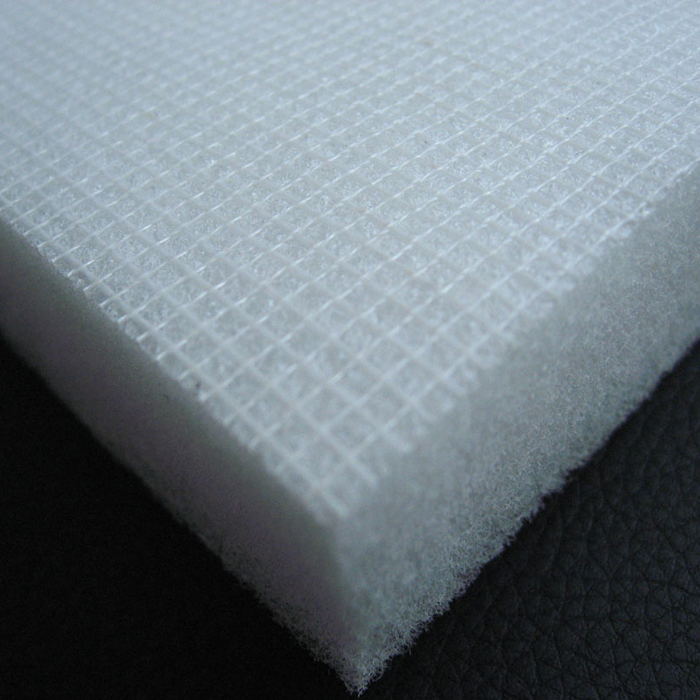
The journey to a contaminant-free environment begins at the air makeup unit. Here, heavy-duty pocket or pleated panel filters act as the primary shield. These initial barriers are tasked with catching large atmospheric dust and seasonal debris before they reach the heating element. By capturing the bulk of these larger invaders early, pre-filters significantly extend the operational lifespan of the expensive secondary layers downstream.
Once the air is pre-cleaned and heated, it reaches what is arguably the most critical component for your cosmetic result. This is the ceiling filter. Often referred to as diffusion media, this layer is engineered with a progressively dense woven structure. Its role is multifaceted. First, it captures microscopic particles down to 10 microns or less. This ensures only pristine air bathes the spray zone.
Furthermore, it acts as an essential air distributor. For example, utilizing a professional-grade solution like the Vitefilter F5-600G media transforms plenum performance. With a dense 600 grams per square meter weight and full tackifier adhesive treatment, it achieves a strict EN779 F5 efficiency rating. This dense material creates a slight intentional resistance. It forces the incoming breeze to spread out evenly across the entire upper plenum. This precise distribution guarantees a smooth downward draft over the vehicle, actively preventing chaotic air swirls.
Moving down to the pit, the draft becomes heavily laden with wet sticky solids after passing the painter. The primary function of the floor filter is to intercept this sludge before it travels deep into the ductwork. When spraying high-volume jobs, a significant percentage of the coating never actually adheres to the metal. This excess material must be managed instantly.
Different compositions are utilized based on the volume and tackiness of the chemicals applied. For heavy industrial applications, standard pads blind too quickly. Upgrading to premium fiberglass arrestors provides maximum holding capacity. These specialized mats feature a progressive density design. The air entry side has a loose open weave, while the exit side is tightly woven. This structure absorbs massive amounts of overspray without killing your downdraft. This keeps the exhaust stack clean while maintaining the necessary pull for a safe workspace.
Following the primary paint arrestor, modern facilities deploy secondary exhaust stages. These typically include finer polyester pads or activated carbon banks. Their designated purpose is to capture remaining fine particulate matter and neutralize noxious solvent odors. This rigorous multi-stage exhaust protocol protects the fan motor from catastrophic buildup and ensures strict compliance with local environmental regulations.
Looking at recent shifts in the automotive refinishing sector, the transition toward low-VOC waterborne paints has fundamentally altered booth dynamics. Waterborne coatings dry very differently than traditional solvent-based paints. They require significantly higher and more consistent airflow to flash off water content effectively. Consequently, modern facilities are investing heavily in smart enclosures equipped with automated variable frequency drives and real-time pressure monitoring.
However, industry analysts and field engineers note a critical reality. Even the most advanced digital sensors cannot compensate for a poor physical filtration layout. The fundamental physics of air resistance remains the ultimate bottleneck. If the media order is incorrect, sophisticated climate control systems will merely circulate contaminated air faster. This exacerbates surface defect issues rather than solving them. Precision in physical setup is now a non-negotiable requirement to support these advanced chemical coatings.
To simplify the engineering concepts, refer to the following standard configuration. This layout ensures laminar flow and maximum equipment protection.
| Stage Sequence | Media Type | Primary Function | Recommended Solution |
|---|---|---|---|
| Stage 1: Intake | Pleated Panel / Pocket Filter | Blocks large environmental debris and insects at the air makeup unit. | G4 Washable Pre-Filters |
| Stage 2: Ceiling Plenum | Tackified Diffusion Media | Traps microscopic 10-micron dust and ensures even downward laminar airflow. | Vitefilter F5-600G Roof Filter |
| Stage 3: Floor / Pit | Spun Fiberglass Arrestor | Captures heavy wet sludge and prevents exhaust fan blade buildup. | Vitefilter Paint Stop Media |
| Stage 4: Final Exhaust | Activated Carbon / Fine Polyester | Neutralizes VOC odors and traps remaining ultra-fine particles before exterior release. | Active Carbon Filter Pads |
Surface defects are the most glaring symptom of a compromised setup. If a coarse low-efficiency pad is mistakenly installed in the upper plenum, microscopic dirt will easily bypass the barrier. Because the draft is blowing directly downward, this loose debris falls straight onto the wet clear coat. This creates hard embedded nibs that require aggressive wet sanding and heavy compounding to correct. Shop efficiency is instantly destroyed.
In addition, mismatched densities severely disrupt cabin pressure. If an overly restrictive pad is placed in the exhaust pit without adequate intake supply, the aerodynamic balance is shattered. When the exhaust struggles to pull, it creates stagnant dead zones within the enclosure. In these areas, the chemical fog lingers heavily in the air instead of being swiftly pulled away. It eventually rains back down onto the surface, causing a dull and textured finish.
Procuring the correct setup is not an abstract concept; it requires matching physical specs to your daily operations. Use these engineering standards to audit your current purchasing habits.
Rule 1: High-Volume Clear Coats. If your shop runs continuous cycles of high-solid clears, standard polyester floor rolls will blind in days. You must select a continuous spun fiberglass arrestor. Look for green and white color-coded media to ensure correct directional installation.
Rule 2: Waterborne Basecoats. Waterborne systems demand absolute draft consistency. Do not compromise on plenum media. Select a ceiling roll with a minimum weight of 600 grams per square meter and full depth adhesive treatment. This prevents dry particle migration when the blowers cycle on and off.
Rule 3: EPA Compliance. Facilities must meet strict efficiency standards, such as the NESHAP Method 319 for aerospace or general EPA 6H guidelines for automotive refinishing. Utilizing certified layers ensures your business passes municipal inspections and avoids crippling fines.
To maintain absolute integrity, operators must abandon guesswork and implement a rigid inspection schedule. The most objective method to determine replacement intervals is reading the pressure drop. A Magnehelic gauge measures the difference in air resistance before and after the filter bank. This is typically displayed in inches of water column. As sludge accumulates, resistance increases. Once the gauge reaches the manufacturer specified limit, the material is fully saturated and must be swapped out.
Daily checks should take no more than a few minutes. Tap the manometer before the first spray cycle. Visually scan the cabin for obvious tears or sagging in the ceiling media. Relying on a proactive replacement schedule is significantly more cost-effective than paying technicians overtime to buff out contaminated panels.
Achieving a flawless off-the-gun finish is not a matter of luck. It is a strict science governed by airflow dynamics. The exact arrangement of your filtration system is the winning formula that separates high-profit operations from those constantly battling rework. By understanding the distinct roles of intake purification and exhaust management, you can eliminate surface defects entirely. Audit your current enclosure setup today. Visit Vitefilter to explore our professional-grade ceiling diffusion media and high-capacity paint stop arrestors. Equip your shop with the right layers in the right order, and watch your operational quality soar.
The highly efficient sequence follows the natural path of the draft. It begins with the Intake Pre-filter at the air makeup unit. It moves to the Ceiling Diffusion media above the cabin. After the spray area, it hits the Floor Exhaust Arrestor. Finally, it passes through the Secondary Exhaust Carbon pad before reaching the exhaust fan. This progressive layout ensures optimal step-down purification.
A high-quality diffusion layer should typically be replaced every 6 to 12 months. This roughly equates to 900 to 1000 operating hours. However, time-based estimates are only general guidelines. Professional operators must rely on manometer pressure drop readings for precise accuracy.
Absolutely not. An exhaust arrestor is designed with a loose open weave to catch heavy wet solids without blocking the draft. It completely lacks the dense tackified structure required to spread air evenly and trap microscopic dry dust. Placing an exhaust pad in the upper plenum guarantees heavy dirt contamination in your finish.
A sudden lack of downdraft is almost always caused by a heavily clogged floor arrestor or a saturated secondary exhaust pad. When the exhaust media fills with sludge, it acts as a solid wall. This restricts the air from leaving the cabin and destroys the critical pressure balance.
Recirculating air offers significant energy savings by reducing the need to heat freezing outside air during winter. However, it requires highly specialized multi-stage filtration systems to execute safely. The filtration must effectively remove all particulate matter and ensure VOC concentrations remain well below the lower explosive limit to remain OSHA compliant.
For intake pre-filtration, a MERV 8 rating is generally the industry standard. This captures pollen, dust mites, and large debris. However, the critical ceiling diffusion media is typically measured by European EN779 standards rather than MERV. You should look for an F5 or M5 rating to ensure the capture of particles down to 10 microns.
Sizing is determined by the total cubic feet per minute output of your exhaust fan divided by the recommended operating velocity of the chosen media. For standard fiberglass arrestors, the optimal velocity is usually between 100 and 150 feet per minute. Ensuring you have enough square footage prevents premature blinding and extreme pressure drops.