English

- All
- Product Name
- Product Keyword
- Product Model
- Product Summary
- Product Description
- Multi Field Search
Views: 0 Author: Site Editor Publish Time: 2026-11-18 Origin: Site
Many facility managers and homeowners purchase filtration systems assuming that all carbon operates exactly the same way. This widespread misconception inevitably leads to frustrating operational nightmares. You install a brand-new setup, only to immediately face sluggish water flow, sudden pressure drops across the vessel, or the alarming sight of black, murky water. In severe industrial cases, these oversights trigger premature equipment failure and costly downtime.
The reality of filtration physics proves much more nuanced. The core filtering component is never a simple one-size-fits-all commodity. The actual effectiveness, longevity, and safety of any purification array rely heavily on the specific grade of the carbon deployed inside the housing. Manufacturers meticulously determine these grades through a combination of raw source material, internal pore structure, specific activation techniques, and measurable performance metrics.
This comprehensive guide breaks down exactly what separates different grades of purification media. By grasping these empirical differences, operators and homeowners alike can make informed, cost-effective, and scientifically sound decisions for their specific fluid or air treatment needs.
To truly evaluate a purification system, engineers must first understand the powerhouse operating inside the vessel. Engineered to capture and retain chemical compounds, volatile organic compounds, and impurities, Activated Carbon Filter Media is a highly porous carbonaceous material. The term activated denotes a rigorous thermal or chemical manufacturing process. Facilities blast the raw material with high-temperature steam between 800 degrees and 1000 degrees Celsius or use specific acids. This strips away non-carbon elements, leaving behind a massive internal network of microscopic pores. A single gram can possess an internal surface area exceeding 1,000 square meters.
Looking at recent market trajectories, industry trend analysis reveals a massive pivot toward ultra-high-purity, acid-washed carbons. As global environmental regulations targeting emerging contaminants like PFAS and strict limits on heavy metal leaching become increasingly stringent, municipal and industrial operators are rapidly abandoning standard commodity media. The current market heavily favors rigorously certified grades guaranteeing zero secondary contamination. This shift underscores a broader commitment to uncompromising safety and long-term operational sustainability.
Consequently, the concept of grade strictly dictates field performance. Selecting an inappropriate grade often leads to severe bottom-of-funnel consequences. An industrial plant manager using substandard media will face frequent bed replacements, increased pressure drops, and soaring operating expenses. High-grade media ensures optimal adsorption capacity, keeping operations smooth and compliant.
The foundational element determining the structural characteristics of the adsorbent is its raw source material. This base strictly dictates the internal pore size distribution. Scientists categorize these into micropores, mesopores, and macropores.
Widely recognized as the premium standard for drinking water purification, Coconut Shell is highly valued for its exceptional density of micropores. Because these pores are incredibly small, this specific grade is remarkably efficient at trapping low-molecular-weight contaminants. It easily captures chlorine, airborne VOCs, and harmful disinfection byproducts like trihalomethanes. The inherent natural hardness of the shell translates to excellent mechanical strength, resulting in minimal structural breakdown during heavy-duty operation.
In contrast, media derived from bituminous or anthracite coal features a much broader pore structure dominated by mesopores and macropores. This structural difference makes Coal Base carbon less effective for trace VOC removal but highly efficient at capturing larger molecular contaminants that would instantly clog finer micropores. Industrial water treatment plants and municipal wastewater facilities rely heavily on these robust grades for demanding bulk adsorption applications.
Wood-based carbon primarily consists of massive macropores. Due to this cavernous structure, engineers generally reserve it for specialized chemical processing. You will frequently find it used for decolorization in the food and beverage industry, capturing extremely large molecules that would otherwise block the finer networks of other media types.
Beyond the raw material, manufacturer data sheets contain specific technical metrics objectively separating standard commodity grades from highly engineered premium products. Understanding these indicators is essential for effective system design.
The CTC Value serves as a critical metric evaluating the carbon porosity and its capacity for gas-phase adsorption. Expressed as a percentage, it measures the weight of carbon tetrachloride vapor the media can adsorb under strictly controlled laboratory conditions. For instance, high-performance fibrous activated carbon media often boasts a CTC adsorption rate exceeding 60 percent, alongside an Iodine number surpassing 1000 mg/g. The Iodine number remains the standard benchmark for liquid-phase adsorption. Because the iodine molecule is exceptionally small, this metric directly correlates to the micropore content and overall surface area explicitly required for safe drinking water purification.
Physical durability is just as vital as chemical adsorption capacity. Hardness numbers measure the media resistance to crushing and friction. High-grade media must withstand the intense physical stress of high flow rates and aggressive backwashing cycles. If you run a high-pressure industrial tank and the media hardness is too low, the granules will grind against each other, pulverizing into a fine mush. This inevitably leads to massive media loss, severe system blockages, and costly downtime.
To maintain peak operational efficiency, evaluating the purity of the carbon before installation is non-negotiable. Contaminated or dusty media creates more problems than it solves.
One of the most common and frustrating pain points in fluid filtration is excessive Dust Release. Low-grade carbon is notorious for being brittle, continuously shedding un-activated carbon fines into the water stream upon initial startup and throughout its operational life. This results in severe black water spikes and the rapid blinding of downstream particulate filters. Premium grades undergo rigorous mechanical dedusting and pre-washing processes at the manufacturing level. This meticulous preparation minimizes initial particulate shedding, protecting highly sensitive downstream equipment like expensive reverse osmosis membranes.
The thermal activation process naturally leaves behind inorganic ash and trace heavy metals. Standard water-washed grades merely remove surface dust but leave the internal ash completely intact. Top-tier grades are acid-washed using hydrochloric or sulfuric acid to aggressively dissolve and extract soluble inorganic compounds. Acid washing reduces the total ash content to strictly controlled levels, often under 5 percent. High ash can cause immediate and drastic pH spikes in the purified effluent, interfering with subsequent chemical treatments.
The physical form factor dictates hydraulic properties and ultimate end-use applications. Matching form to function is a crucial step in system design.
Granular Activated Carbon consists of loose, distinct carbon particles, allowing for exceptionally high flow rates with minimal pressure drop. It is ideal for point-of-entry systems. However, loose granules can suffer from channeling, where water carves pathways of least resistance and bypasses the carbon entirely. Solid carbon blocks combat this by compressing ultra-fine powder with a binder under extreme heat. This solid structure eliminates channeling and offers superior filtration precision, often providing mechanical filtration down to 0.5 microns.
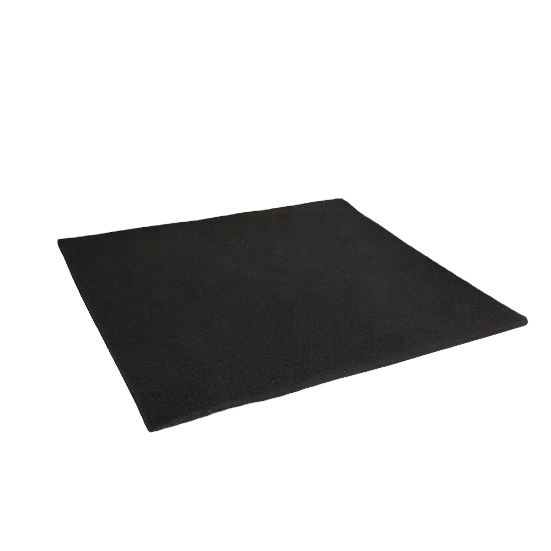
Particularly in odor absorption and air purification, fibrous activated carbon filter media represents a significant technological leap. Manufactured using high-quality powdered activated carbon attached to a non-woven fiber base, this form factor offers massive surface area and rapid adsorption kinetics. It provides excellent formability, allowing it to be pleated or cut for custom HVAC filters, automotive cabin filters, and industrial air scrubbers, delivering superior performance where loose granules would be impractical.
Buyers must accurately identify their specific use case. The grading criteria for massive industrial facilities differ vastly from residential consumer products.
| Application Type | Primary Focus | Ideal Source Material | Key Requirements |
|---|---|---|---|
| Industrial Treatment | Bulk adsorption, durability, cost-efficiency | Coal Base or Wood Base | High hardness, mesoporous structure, variable load tolerance |
| Residential Water | Health safety, taste, trace chemical removal | Coconut Shell | Acid-washed, ultra-low ash, high Iodine number, NSF certification |
| Air & HVAC Purification | Gas-phase VOC removal, low air resistance | Fibrous Media or High-CTC Pellets | High CTC value, large surface area, formability |
Industrial grades prioritize bulk performance and structural durability to survive frequent, turbulent backwashing cycles. Conversely, residential grades are designed with human consumption and safety as the absolute priority. These media grades must strictly comply with rigorous public health standards, ensuring zero heavy metal leaching.
Selecting the correct grade is an objective, data-driven process. Aligning operational parameters with correct media specifications maximizes efficiency and slashes maintenance costs.
The golden rule of carbon selection is matching the pore size to the target contaminant. If your primary goal involves removing small molecules like chlorine, chloramines, and airborne VOCs, you must select a highly microporous material. Alternatively, if you are treating heavy industrial waste or removing large organic color bodies, a mesoporous carbon will prevent premature surface blinding and significantly extend media lifespan.
Adsorption requires sufficient time for contaminants to diffuse from the fluid into the carbon pores. Engineers measure this as Empty Bed Contact Time. Systems with high flow rates inherently have a much lower contact time. To compensate for violently fast flow, you must utilize a higher-grade, highly porous carbon with exceptional kinetic ratings to ensure rapid adsorption. Failing to calculate this accurately inevitably results in contaminant breakthrough.
Multimedia filters use stratified layers of sand, gravel, and anthracite to physically strain and remove suspended solids, dirt, and sediment from water. It acts as a physical sieve. In contrast, activated carbon filters use the chemical process of adsorption to attract and bind dissolved contaminants, volatile chemicals, gases, and offensive odors that would easily slip right through a standard sand filter.
The shedding of fine black particulates is a common issue with brand-new carbon beds, especially lower grades. To resolve it immediately, flush the filter thoroughly with clean water upon installation until the effluent runs completely clear. To prevent this headache in the future, upgrade to an acid-washed, high-grade carbon block or rigorously dedusted granular media for all subsequent maintenance replacements.
The term better is entirely dependent on your specific application. Coconut shell is vastly superior for drinking water purification and trapping small VOCs due to its incredibly dense microporosity. However, coal-based media is significantly better for industrial wastewater treatment and capturing larger molecules like color compounds and tannins, which would rapidly clog the tiny pores of a coconut shell filter.
As a general baseline, residential point-of-use filter cartridges should be replaced every 6 to 12 months to prevent bacterial growth and ensure optimal taste. For large industrial systems, replacement timelines vary drastically. Operators must rely on continuous pressure drop monitoring and chemical breakthrough tests to determine exhaustion. Opting for high-grade media generally extends this timeline significantly.
Yes, it is highly recommended. Granular media is exceptionally effective in gravity-fed systems. Because gravity systems operate at a very slow, natural flow rate, the water enjoys an extended contact time with the carbon bed. This prolonged exposure naturally enhances the adsorption process, allowing the carbon to capture contaminants much more thoroughly than in high-pressure scenarios.
Yes, high-grade activated carbon is one of the most effective technologies for removing per- and polyfluoroalkyl substances from water. Specifically, premium bituminous coal-based or specialized coconut shell carbons with a tailored pore structure are engineered to trap these persistent chemicals. However, because PFAS compounds are difficult to capture, the system requires a longer contact time and more frequent media change-outs compared to standard chlorine removal.
Facility operators typically monitor exhaustion through differential pressure gauges and routine effluent sampling. If the pressure drop across the filter vessel increases significantly, the media may be physically fouled. More importantly, taking daily or weekly water samples downstream to test for breakthrough of target contaminants like free chlorine or specific VOCs will definitively indicate when the chemical adsorption capacity is fully depleted.
What separates standard media from premium grades comes down to the source material, empirically tested performance metrics, and rigorous purity standards. Investing in the correct, high-grade media upfront prevents unexpected system downtime, slashes routine maintenance costs, and guarantees the absolute purity of your treated water or air.
Stop gambling with your facility operational efficiency and product safety. Evaluate your current system specifications today. For operators seeking uncompromising quality and precisely engineered solutions, explore the comprehensive range of premium filtration materials at Vitefilter. Whether you need ultra-pure coconut shell for drinking water or specialized fibrous carbon for advanced air scrubbers, partner with Vitefilter to upgrade your media to the exact grade your application demands.