English
- All
- Product Name
- Product Keyword
- Product Model
- Product Summary
- Product Description
- Multi Field Search
Air filtration systems play a crucial role in maintaining air quality across various environments. Whether it's in residential homes, industrial settings, or specialized facilities like cleanrooms and laboratories, air filters are essential for capturing airborne particles, pollutants, and allergens. One of the most popular and efficient types of air filters is the pleated filter.
A pleated filter is a type of air filter designed with a folded or pleated structure, allowing for a greater surface area than traditional flat filters. This design significantly improves its filtration efficiency. In this article, we will dive deep into the workings, types, benefits, applications, and factors to consider when choosing a pleated filter for your air filtration needs.
At the core of a pleated filter is its unique design. Unlike flat filters, which have a single layer of filter media, pleated filters incorporate multiple layers of media folded into pleats. This increases the surface area available to capture dust, dirt, and other particles from the air, allowing for better filtration.
The pleated design is typically made of materials such as polyester, fiberglass, or synthetic media, each with different filtration properties. The increased surface area allows pleated filters to capture more contaminants without significantly increasing the resistance to airflow.
When air passes through a pleated filter, the airborne particles are trapped in the filter’s fibers. As the air moves through the pleats, the filter media acts like a net, capturing particles of various sizes. The pleats help ensure that there is enough surface area for particles to be collected effectively while minimizing the loss of airflow. This is especially important in environments like HVAC systems, where airflow needs to remain efficient.
The efficiency of pleated filters is often rated by their MERV (Minimum Efficiency Reporting Value) score, which indicates their ability to trap particles of specific sizes. Pleated filters can range from MERV 1-16, with higher MERV ratings indicating better filtration of fine particles.
The primary feature that sets pleated filters apart from other filters is the increased surface area provided by the pleats. This expanded surface area means pleated filters can capture more contaminants without compromising airflow. This is particularly beneficial in environments where high-efficiency filtration is needed.
The increased surface area of pleated filters results in higher filtration efficiency. Pleated filters are designed to capture particles ranging from large dust particles to fine allergens, making them highly effective at improving air quality. Depending on the MERV rating, pleated filters can capture particles as small as 0.3 microns.
Another key benefit of pleated filters is their durability. The pleated design allows these filters to last longer than traditional flat filters, making them a more cost-effective option in the long run. They are less prone to clogging because the increased surface area allows them to handle a larger volume of contaminants before requiring replacement.
There are several types of pleated filters, each designed for different applications. Understanding the variations in pleated filters can help you select the right one for your needs.
Disposable pleated filters are the most commonly used in residential and light commercial applications. These filters are typically replaced every 3-6 months and are designed for use in HVAC systems to improve air quality.
Reusable pleated filters are designed for more industrial or high-efficiency environments. These filters can be washed and reused multiple times before being replaced. They are generally more expensive upfront but offer long-term savings.
High-efficiency pleated filters are designed for environments that require ultra-clean air. These filters typically have a higher MERV rating (12-16) and are used in hospitals, cleanrooms, and other environments where fine particulate matter, such as dust, pollen, and bacteria, must be filtered out.
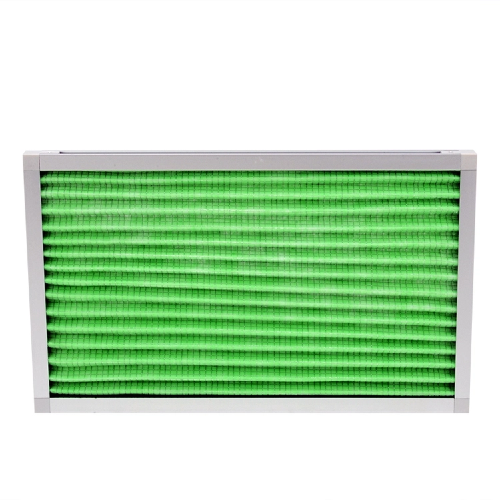
One of the most common applications of pleated filters is in HVAC systems. Pleated filters in HVAC systems help maintain air quality by trapping dust, allergens, and other particles that can harm both the system and the occupants of a building.
In HVAC systems, pleated filters offer several advantages over non-pleated filters, including:
Higher airflow efficiency: The pleated design allows for more air to pass through the filter without compromising filtration performance.
Longer lifespan: The increased surface area reduces the frequency of filter changes.
Improved air quality: Pleated filters effectively capture smaller particles, leading to cleaner air.
In industrial environments, pleated filters are used to keep the air free of harmful contaminants that could affect both the health of workers and the quality of products. Pleated filters in factories and manufacturing plants often deal with larger amounts of dust, dirt, and other particles compared to residential systems.
These filters are critical for industries like:
Textiles and woodworking: Where fine dust is generated from production processes.
Chemical plants: To prevent exposure to hazardous chemicals in the air.
In homes, pleated filters play an important role in improving the air quality by trapping dust, pet dander, and pollen. For individuals with allergies or respiratory conditions, pleated filters help create a healthier indoor environment.
Pleated filters are also used in specialized environments that require high levels of cleanliness, such as:
Cleanrooms: To maintain an environment free of particles that could compromise research or manufacturing processes.
Hospitals: To reduce airborne pathogens and allergens, improving the quality of indoor air and protecting patients.
When selecting a pleated filter for your system, there are several key factors to keep in mind:
MERV Rating: The MERV rating determines the efficiency of a pleated filter. Higher MERV ratings (12-16) are suitable for environments that require high filtration, while lower ratings (6-8) are sufficient for residential use.
Size: It's important to choose a pleated filter that fits your system. Filters come in various sizes, so make sure you measure your air handler or HVAC system's filter compartment before purchasing.
Material: Pleated filters are made from various materials, including polyester, fiberglass, and synthetic fibers. The material choice impacts the filter's efficiency and durability.
MERV Rating | Particle Size Captured | Applications |
6-8 | Large particles (3-10 microns) | Residential HVAC, light commercial systems |
9-12 | Medium particles (1-3 microns) | Commercial spaces, schools, offices |
13-16 | Fine particles (0.3-1 microns) | Hospitals, cleanrooms, high-efficiency systems |
Pleated filters help improve the energy efficiency of HVAC systems. Because they capture more contaminants, the system doesn’t have to work as hard to push air through the filter, which can reduce energy consumption.
Although pleated filters may have a higher upfront cost compared to flat filters, their longer lifespan and better efficiency make them more cost-effective over time. With fewer replacements needed, pleated filters offer significant savings in both maintenance and energy costs.
One of the primary benefits of pleated filters is their ability to significantly improve indoor air quality. By capturing dust, pollen, pet dander, and other allergens, pleated filters help create a cleaner and healthier environment, which is especially important in homes with allergy sufferers or in commercial spaces that require high air quality standards.
In conclusion, pleated filters are an excellent choice for those seeking high-performance air filtration solutions. Their unique design, which increases surface area, improves efficiency, and extends lifespan, makes them a superior option compared to traditional flat filters. Whether you're considering them for residential HVAC systems, industrial air filtration, or specialized environments, pleated filters play a crucial role in maintaining clean, healthy air.
At GUANGDONG VITE AIR CLEAN SYSTEM CO., LTD., we specialize in providing top-quality pleated filters tailored to various applications. Our products are designed to reduce energy consumption, improve air quality, and offer long-term cost-effective solutions for air filtration systems. If you're looking for reliable and efficient filters for your needs, we invite you to explore our range of solutions. Feel free to contact us to learn more about how our pleated filters can enhance your air filtration systems.
Q1: What is the difference between pleated filters and regular filters?
A1: Pleated filters have a folded design that increases their surface area, allowing them to capture more particles efficiently compared to regular flat filters.
Q2: How often should a pleated filter be replaced?
A2: Pleated filters should be replaced every 3-6 months for residential use, while industrial or high-efficiency filters may last longer depending on usage.
Q3: Can pleated filters be used in all HVAC systems?
A3: Yes, pleated filters can be used in most HVAC systems, but it's essential to choose the correct size and MERV rating to ensure proper filtration and airflow.
Q4: Are pleated filters more expensive than regular filters?
A4: Pleated filters can have a higher initial cost, but their greater efficiency and longer lifespan make them more cost-effective in the long run.