English
- All
- Product Name
- Product Keyword
- Product Model
- Product Summary
- Product Description
- Multi Field Search
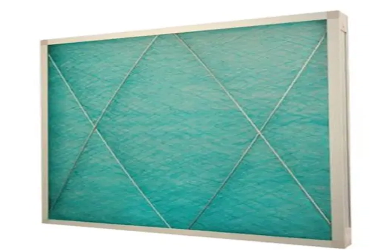
A panel filter is a flat, rectangular or square air filter used in HVAC systems, air purifiers, and residential units. It consists of a frame, usually made of cardboard or metal, holding a filter medium made of synthetic fibers, fiberglass, or other materials. These filters capture dust, dirt, pollen, and other airborne particles while allowing air to flow through.
Panel filters play a vital role in improving indoor air quality by trapping contaminants, preventing them from circulating in a space. Regular maintenance or replacement ensures that air filtration systems operate efficiently, improving respiratory health and extending HVAC system lifespan. Understanding panel filters is essential for maintaining clean air and creating healthier living and working environments.
Panel filters are made up of two main components: the frame and the filter media. The frame, typically constructed from cardboard or metal, holds the filter media in place and provides structural integrity. The filter media is the material inside the frame that actually traps airborne particles. The media can be made from various materials such as synthetic fibers, fiberglass, or a combination of both, designed to balance airflow and filtration efficiency.
Material types:
Synthetic fibers are commonly used for their durability, cost-effectiveness, and ability to filter out larger particles.
Fiberglass filters are lightweight, have higher dust-holding capacity, and are often used in industrial or commercial settings where air quality is critical.
As air passes through the panel filter, particles are captured by the filter media. The media works through a combination of mechanical filtration, where larger particles are trapped on the surface, and diffusion, where smaller particles collide with the fibers and become trapped. Over time, the filter media's dense layers capture more particles, preventing them from entering the air system and circulating in the environment.
Panel filters are effective at capturing various types of contaminants, including dust, dirt, and allergens like pollen, pet dander, and mold spores. Larger particles are generally captured on the surface of the filter, while smaller particles penetrate deeper into the media. The finer the fibers, the more particles can be trapped, improving the filter’s overall performance.
The efficiency of panel filters is measured using the MERV (Minimum Efficiency Reporting Value) rating system. This rating indicates the filter’s ability to capture particles of different sizes. Filters with higher MERV ratings are more efficient at trapping smaller particles, such as dust mites and smoke. For example, a MERV 8 filter will capture larger particles like dust and pollen, while a MERV 13 filter will capture finer particles, including pet dander and mold spores.
Panel filters come in several types, each suited for specific air quality needs. The most common types are Standard Panel Filters, High-Efficiency Panel Filters, and Electrostatic Panel Filters.
Features and Common Uses
Standard panel filters use medium-density materials like synthetic fibers or fiberglass to capture larger particles such as dust and pollen. They are often used in residential and light commercial settings where high-efficiency filtration isn't critical.
Common Uses:
Residential HVAC systems
Offices and commercial buildings
These filters provide a cost-effective way to maintain air quality while protecting HVAC systems.
Applications in High-Demand Environments
High-efficiency panel filters, with higher MERV ratings, capture finer particles such as bacteria and viruses. They are essential in environments where air quality is crucial, like hospitals, cleanrooms, and laboratories.
Common Applications:
Hospitals and medical facilities
Cleanrooms and labs
These filters ensure superior air quality by removing fine particles, ensuring safe and sterile environments.
How Electrostatic Filters Work
Electrostatic panel filters use a charge to attract and trap particles, improving filtration by capturing both large and small particles more effectively than traditional filters.
Use Cases and Advantages:
Residential: Ideal for homes with allergies, trapping pet dander, dust, and mold.
Commercial: Used in offices or public spaces for better air quality.
Reusable: Many electrostatic filters can be washed, providing long-term cost savings.
These filters enhance filtration while being energy-efficient and sustainable.
Panel filters are widely used across various sectors, each tailored to meet the specific air quality requirements of the environment. Below are the key applications of panel filters in Residential, Commercial, and Industrial settings.
HVAC Systems in Homes
In residential settings, panel filters are commonly used in HVAC systems to maintain indoor air quality. These filters capture dust, pollen, and other allergens, helping to create a more comfortable and healthy living environment. Regular filter replacement ensures efficient system operation, reduces energy consumption, and prevents dust buildup in the HVAC unit.
Benefits:
Improves air quality by trapping allergens.
Reduces energy costs by maintaining system efficiency.
Helps protect HVAC systems from debris damage.
Office Buildings, Restaurants, Schools
Panel filters are widely used in commercial spaces, including office buildings, restaurants, and schools, to ensure a clean and comfortable environment for employees, customers, and students. In these environments, the filters capture dust, smoke, and other airborne contaminants, providing cleaner air and a more pleasant atmosphere.
Benefits:
Enhances comfort and productivity in the workplace.
Provides clean air for customers and employees in public spaces.
Protects HVAC systems from contaminants that could reduce efficiency.
Manufacturing, Laboratories, Healthcare Facilities
In industrial settings such as manufacturing plants, laboratories, and healthcare facilities, panel filters play a crucial role in ensuring high air quality standards. In these environments, they are essential for capturing harmful particles like fine dust, chemicals, and pathogens, which can affect both health and production processes.
Benefits:
In manufacturing, panel filters prevent dust and debris from interfering with machinery.
In laboratories and healthcare facilities, they ensure a sterile environment by filtering out harmful particles and microorganisms.
Essential for compliance with strict air quality regulations in sensitive industries.
Panel filters offer a range of advantages, making them an essential component in maintaining indoor air quality. Below are the key benefits of using panel filters in various settings.
Affordable Option for Maintaining Air Quality
Panel filters provide an economical solution for improving air quality without breaking the budget. Compared to other high-efficiency filters, panel filters are relatively low-cost while still offering significant dust and particle filtration. Their affordability makes them an attractive choice for both residential and commercial applications, where frequent replacements are necessary to ensure clean air.
Benefits:
Cost-effective filtration for residential HVAC systems.
Budget-friendly option for businesses seeking regular air quality maintenance.
Health Benefits of Using Panel Filters in Everyday Spaces
By capturing dust, allergens, and other airborne particles, panel filters help maintain cleaner indoor air. This is especially important for individuals with respiratory conditions, allergies, or asthma. Panel filters improve overall health and comfort by reducing exposure to harmful particles like pollen, dust mites, pet dander, and mold spores.
Benefits:
Reduces allergens and dust in the air, improving respiratory health.
Creates a healthier environment in homes, offices, schools, and hospitals.
Helps alleviate symptoms for allergy sufferers and asthma patients.
How Panel Filters Help HVAC Systems Run Efficiently
Panel filters contribute to the energy efficiency of HVAC systems by preventing dirt and debris from accumulating inside the system. When a filter is clean and functioning properly, air flows more freely through the system, reducing the strain on the HVAC unit. This results in lower energy consumption, reduced wear and tear on the system, and extended lifespan of HVAC equipment.
Benefits:
Improves airflow, reducing the energy required to heat or cool a space.
Lowers energy costs by enhancing the efficiency of HVAC systems.
Prevents system malfunctions and extends the life of HVAC equipment.
Efficiency: HEPA filters capture 99.97% of particles down to 0.3 microns, while panel filters typically capture larger particles.
Applications: HEPA filters are used in environments like hospitals and cleanrooms; panel filters are for general use in residential and commercial spaces.
Cost: HEPA filters are more expensive due to their higher efficiency, while panel filters are more cost-effective.
Some panel filters, especially synthetic and electrostatic types, are washable and reusable. However, fiberglass filters are disposable and should be replaced when dirty. Always check the manufacturer's instructions.
Consider these factors:
MERV Rating: Higher ratings capture finer particles, but may restrict airflow.
Size: Ensure the filter fits your HVAC system.
Material: Choose between synthetic, fiberglass, or electrostatic based on your filtration needs.
Reduced Air Quality: A clogged filter can't trap particles effectively.
Higher Energy Bills: The HVAC system works harder, using more energy.
HVAC Damage: Clogged filters can damage the system, leading to costly repairs.
Panel filters play a crucial role in maintaining air quality across various environments by effectively trapping dust, allergens, and other airborne particles. Whether used in residential HVAC systems, commercial spaces, or industrial settings, they help improve indoor air quality, reduce energy consumption, and protect HVAC systems from damage. When selecting a panel filter, it's important to consider factors like MERV rating, size, and material to ensure optimal performance for your specific needs. Regular maintenance and timely replacement are key to ensuring that your system operates efficiently and that the air you breathe remains clean. By choosing and maintaining the right panel filter, you can enjoy better air quality, lower energy costs, and extended system lifespan.