English

- All
- Product Name
- Product Keyword
- Product Model
- Product Summary
- Product Description
- Multi Field Search
Views: 0 Author: Site Editor Publish Time: 2026-11-22 Origin: Site
Are hidden costs ruining your HVAC system? Imagine investing heavily in a state-of-the-art climate control setup or a premium air purifier. You expect pristine air and seamless operation. Instead, you find the unit underperforming and driving up utility bills within a few short weeks. Expensive high-efficiency filters clog surprisingly fast when they operate without a dedicated primary shield.
This rapid accumulation of debris drops airflow, suffocates your blower motor, and raises energy consumption significantly. In this comprehensive guide, you will discover exactly what an initial filtration barrier protects. We will explore how it functions within your system and why selecting the right media saves substantial time and money.
Filtration is rarely a single-step endeavor in modern air purification and commercial HVAC engineering. Multi-stage filtration has become the gold standard designed to progressively scrub the air. Serving as the Primary Stage in this sequence, the preliminary filter processes massive volumes of air. Its fundamental purpose is capturing large particulate matter with virtually zero airflow restriction.
Analyzing recent industry shifts reveals a massive transition toward this multi-tiered approach. Driven by stricter global energy efficiency mandates and a permanent post-pandemic elevation in indoor air quality awareness, facility managers are abandoning single-filter setups. Current HVAC engineering trends show that strategically implementing an initial sacrificial layer is the most effective method to manage heavy particulate loads. This approach optimizes energy usage and meets contemporary green building standards seamlessly.
Unlike high-efficiency particulate air units featuring microscopic pores designed to snare sub-micron particles, this initial barrier utilizes a much more open media structure. This specific structural design ensures the climate control system avoids severe pressure drops. By acting as a disposable or washable shield, it absorbs the brunt of heavy contamination. Consequently, subsequent fine-filtration stages can focus entirely on microscopic threats like smoke, bacteria, and volatile organic compounds.
The most immediate and financially measurable benefit of this initial shield is its ability to safeguard your secondary filters. High-efficiency media, such as deep-pleated HEPA or dense activated carbon beds, are engineered with incredibly tight fiber webs. Because their pores are microscopic, they are highly susceptible to blinding. Blinding is a detrimental condition where large particles instantly coat the surface and form an impenetrable wall.
When a HEPA unit is blinded by macro-debris, it becomes functionally useless long before reaching its actual capacity for trapping microscopic allergens. Integrating a highly porous primary barrier prevents this premature suffocation. Routine maintenance data suggests that deploying a proper initial shield can double or even triple the Final Filter Life of your expensive secondary media. Given that high-tier filters cost significantly more than standard intake filters, this protection translates directly into substantial annual savings.
Beyond extending the lifespan of other filters, the primary stage acts as a critical mechanical safeguard for your HVAC infrastructure. When massive volumes of dirt bypass the intake, they inevitably settle on sensitive internal machinery. If grime coats the blower motor, it acts as a thermal blanket. This insulation prevents the motor from dissipating operational heat, leading to severe overheating, degraded wiring, and eventually catastrophic motor failure.
Similarly, dirt building up on delicate evaporator coils creates a physical barrier that restricts the essential heat transfer process. As efficiency plummets, condensation on the coils can freeze solid. This leads to complete system shutdowns and potential compressor damage. By intercepting this debris at the door, the filter ensures the machinery operates safely within its designed thermal limits.
One of the primary targets of the initial filtration stage is Coarse Dust. In air quality terminology, this generally refers to particulate matter measuring 10 microns in diameter or larger. This is the highly visible, irritating layer of grime you frequently see settling on bookshelves, hardwood floors, and television screens.
This macro-dust consists of soil particles tracked in from outside, dead skin cells, and degraded fabric fibers. Because these particles are relatively heavy and dense, the impaction mechanics of the primary media easily capture them. This stops them from endlessly recirculating through the building's ventilation network.
For households with furry companions, a robust initial filter is an absolute operational necessity. Hair tends to weave itself into a dense, impenetrable mat across the surface of finer filters. This matting effect creates a highly restrictive barrier that suffocates airflow almost instantly. The primary stage is specifically designed with an open structure to catch these long, fibrous contaminants. By trapping hair and large clusters of dander early, it prevents the rapid degradation of airflow.
In addition to dust and hair, the intake stage intercepts a surprisingly wide variety of other common household and commercial debris. Laundry lint, heavy seasonal pollen clusters, and even small insects are routinely pulled into return ducts by the sheer force of the blower motor. The primary filter acts as a physical net, catching these diverse, hazardous contaminants before they reach sensitive climate control areas.
To help you select the best protection for your system, we have broken down the core differences between the two leading filtration styles used in commercial and residential applications today.
| Feature | Pleated Panel Filters, Disposable | Washable Media, Reusable |
|---|---|---|
| Primary Material | Non-woven synthetic fibers | Aluminum mesh or heavy-duty polymers |
| Maintenance | Replace when dirty, zero cleaning required | Manual washing and thorough drying required |
| Initial Cost | Very low per unit | Higher upfront investment |
| Long-Term ROI | Excellent for protecting expensive HEPA filters | Excellent for eliminating recurring filter costs |
| Typical MERV Rating | MERV 8 | MERV 4 to MERV 6 |
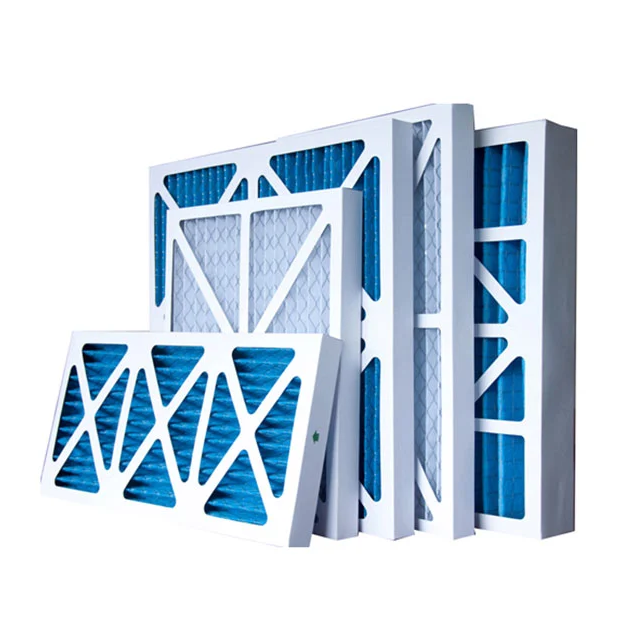
When selecting a primary stage barrier, pleated panel filters stand out as one of the most common and effective disposable options available. The defining feature of a disposable pleated Pre Filter is its accordion-like structure. This specific folding technique drastically increases the total surface area of the filter media without requiring a larger, bulkier frame.
From an engineering perspective, industry-standard products like Vitefilter disposable pleated panel filters utilize non-woven synthetic fibers housed in moisture-resistant beverage board or galvanized frames. These units typically offer a MERV 8 rating with a very low initial pressure drop. A larger surface area means the unit holds a vastly greater volume of debris before the air pressure drops to unacceptable levels. High-quality pleated panels balance structural durability, high dust-holding capacity, and low aerodynamic resistance perfectly.
Conversely, facility managers seeking a more sustainable, long-term solution often turn to reusable alternatives. Washable Media is typically constructed from woven aluminum mesh, galvanized steel, or heavy-duty synthetic polymers. The primary advantage here is sustainability and reduced ongoing purchasing costs. However, the trade-off involves the manual labor required for maintenance. These filters must be cleaned thoroughly and allowed to dry completely before reinstallation to prevent moisture from entering the ductwork.
The financial benefits of maintaining a clean air intake extend far beyond the negligible cost of the filter itself. HVAC systems are typically the largest consumers of electricity in both residential and commercial properties. There is a direct, measurable relationship between clogged filters, restricted airflow, and spiraling energy consumption.
When static pressure rises due to a blocked filter, the system must compensate to maintain the required airflow. In systems equipped with variable-speed ECM blowers, the motor automatically increases its rotational speed to force air through the blockage. This mechanical overcompensation requires a significant increase in electrical wattage. By capturing large debris early, a clean filter maintains optimal aerodynamics and prevents the motor from drawing excess amperage.
Furthermore, HVAC repairs are notoriously expensive. A simple emergency service call for a frozen evaporator coil or a tripped high-limit switch can easily exceed several hundred dollars. In many instances, these mechanical failures are directly traceable to neglected filtration maintenance. A high-quality primary filter acts as an affordable insurance policy for your expensive climate control system.
Establishing a rigorous maintenance protocol is essential for ensuring your filtration system continues operating at peak efficiency. Relying solely on a calendar can sometimes be misleading since environmental factors fluctuate constantly. You should regularly inspect the filter for physical signs of exhaustion. Visible indicators include a thick, opaque layer of gray or black debris obscuring the original color of the media. Secondary performance indicators include noticeably reduced airflow from your supply vents or an unexplained spike in your monthly electricity bills.
The replacement or cleaning frequency is entirely dependent on the specific particulate load of your unique environment. In a standard residential home without indoor pets, inspecting the filter every 30 days and replacing it every 60 to 90 days is generally sufficient. However, in commercial or light industrial settings with constant foot traffic, maintenance personnel should evaluate the primary stage weekly, with replacements occurring every 14 to 30 days.
If you utilize reusable filters, employing the proper cleaning technique is critical. First, remove the filter and take it to a well-ventilated outdoor area. Use a vacuum cleaner with a soft brush attachment to gently lift the loose, dry layer of dust. Next, use a low-pressure water hose to rinse the filter. Always direct the water flow in the opposite direction of the standard airflow to push the embedded dirt out of the fibers. The filter must be left in a dry, well-ventilated area until it is completely devoid of moisture.
When selecting your initial filter, you will frequently encounter the Minimum Efficiency Reporting Value rating system. For a primary stage application, the goal is not to achieve the highest possible rating, but rather to find the perfect balance between particle capture and aerodynamic efficiency.
Typically, these filters range from MERV 4 to MERV 8. A MERV 8 pleated panel filter is highly recommended by industry professionals. It provides a tight enough weave to trap fine dust and pollen without severely dropping the system's air pressure. Premium commercial panel filters feature robust galvanized or moisture-resistant cardboard frames that prevent collapsing under high-velocity air streams.
Regardless of the media type you select, the physical dimensions and structural design are arguably the most critical factors. Air operates under the principles of fluid dynamics; it will always take the path of least resistance. The filter must fit snugly within its designated housing. If a filter is even slightly too small, the pressure differential forces dirty air to slip through the gaps around the edges. This bypass air allows coarse debris to strike the final filter or blower motor directly.
An initial filtration barrier is not merely an optional accessory; it is an essential, foundational shield for any modern climate control or air purification system. By acting as a robust primary stage, this simple layer effectively blocks coarse dust, pet hair, and abrasive debris from wreaking havoc on sensitive internal mechanisms.
Implementing this initial barrier significantly extends your final filter life, ensures your blower motor operates without thermal strain, and keeps your energy bills stabilized. Proper intake protection reduces long-term maintenance costs drastically.
Take a moment to evaluate your current filtration setup today. Are you leaving your expensive HEPA filters and HVAC coils exposed to heavy, damaging particulates? Upgrade your system's first line of defense to guarantee better air quality and improved mechanical efficiency. For industry-leading solutions tailored to your specific HVAC requirements, explore the high-performance pleated panel filters and washable options available at Vitefilter to safeguard your equipment and optimize your indoor air quality.
Technically, the mechanical components of an air purifier or HVAC system will operate without a preliminary filter installed. However, doing so is highly discouraged from both an engineering and a financial standpoint. Without this initial barrier, the entirety of the airborne particulate load will strike your main high-efficiency filter directly. This causes the microscopic pores of the secondary filter to clog incredibly fast, leading to severely restricted airflow, increased strain on the blower motor, and the need for frequent, highly expensive replacements of your main filtration media.
When properly sized and maintained according to a regular schedule, a preliminary filter will not negatively restrict airflow. These filters are specifically engineered with high porosity to capture large macro-pollutants while allowing air to pass through freely. In fact, by intercepting the heavy debris that would otherwise instantly blind your dense HEPA filter, the preliminary stage actually helps the entire system maintain optimal, consistent airflow over a much longer operational period. Airflow restriction only becomes a genuine issue if the filter is neglected and allowed to become completely saturated with dirt.
The distinction lies primarily in their structural engineering and intended target pollutants. A pre filter serves as the primary stage of a multi-tiered system, utilizing a relatively open media weave to capture large, visible debris such as human hair, pet dander, and coarse dust. Conversely, a HEPA, or High-Efficiency Particulate Air filter, serves as the final stage. It utilizes a highly dense matrix of synthetic fibers designed specifically to trap microscopic, invisible pollutants like smoke particles, bacteria, and fine allergens as small as 0.3 microns.
Ensuring that your reusable filter is entirely dry is a critical safety measure to prevent biological contamination within your home. After washing, the media should feel completely dry to the bare touch, with no lingering dampness in the corners or hidden within the frame channels. As a standard best practice, the filter should be left standing upright in a well-ventilated, dry environment for a minimum of 12 to 24 hours before reinstallation. Reinstalling a filter that retains moisture will introduce humidity directly into the dark ductwork, creating an ideal environment for rapid mold and bacterial growth.
Yes, pleated panel filters are considered an excellent, industry-standard choice for preliminary filtration stages. Their distinct accordion-like pleated design dramatically increases the total surface area of the filtration media compared to flat fiberglass alternatives. This expanded surface area allows them to trap and hold a significantly larger volume of dirt, dust, and debris without suffocating the HVAC system's airflow. They provide an optimal balance of structural rigidity, high dust-holding capacity, and low static pressure drop, making them highly effective and economical.
For most commercial and residential applications, a MERV 8 rating is considered the optimal sweet spot for a primary filtration stage. A MERV 8 filter provides a tight enough synthetic weave to capture a large percentage of pollen, dust mites, and coarse dust, yet it remains porous enough to maintain excellent aerodynamic efficiency. Using a filter with a rating significantly higher than MERV 8 as a primary stage often creates excessive static pressure drop, which forces the blower motor to overwork and consumes excess energy.
No, using a HEPA filter as an initial barrier is a highly inefficient and costly mistake. HEPA filters are engineered with incredibly dense fiber structures designed exclusively to capture microscopic particles. If exposed directly to large debris like pet hair and heavy dust, the HEPA media will blind and suffocate almost immediately. A proper multi-stage system always uses a porous, low-cost primary filter to catch the large debris, reserving the expensive HEPA filter strictly for the final stage to capture invisible sub-micron pollutants.