English
- All
- Product Name
- Product Keyword
- Product Model
- Product Summary
- Product Description
- Multi Field Search
Views: 0 Author: Site Editor Publish Time: 2026-02-25 Origin: Site
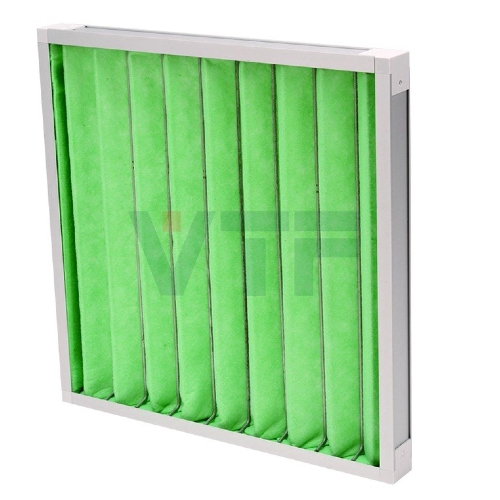
A pleated filter is a type of air filter commonly used in HVAC systems, air purifiers, and other air filtration systems. It consists of a material (typically synthetic or polyester) that is folded into pleats, which dramatically increases its surface area compared to traditional flat filters. The pleats are designed to trap airborne contaminants, including dust, pollen, pet dander, and other small particles, making pleated filters an effective choice for maintaining clean indoor air.
The larger surface area of pleated filters means they can capture more particles over a longer period, which reduces the frequency with which they need to be replaced. However, over time, these filters can become clogged with debris, reducing their efficiency. Regular cleaning can help extend the lifespan of pleated filters, improving both air quality and system performance.
Cleaning your pleated filter is essential for maintaining optimal air quality and system performance. A clogged or dirty filter not only reduces the airflow through your HVAC or air purification system, but it also forces the system to work harder, leading to increased energy consumption and wear on the equipment. Keeping the filter clean ensures that it continues to trap contaminants effectively, allowing your system to operate at peak efficiency.
Over time, dust, dirt, and other particles build up on the surface of the filter, which can obstruct airflow. This increases strain on the system, reduces its overall efficiency, and can cause it to overheat. In extreme cases, this may lead to system failure. By cleaning the pleated filter regularly, you can prevent these issues, extend the life of the filter, and reduce the need for costly repairs or replacements.
The cleaning frequency of a pleated filter depends on several factors, including air quality, usage environment, and system type. Here are some general guidelines for cleaning frequency:
Environment Type | Recommended Cleaning Frequency |
Residential Systems | Every 3-6 months |
Commercial Systems | Every 1-3 months |
Industrial Systems | Every 1-2 months |
High-Pollution Areas (e.g., near factories, busy streets) | Every 1-2 months |
Pet Owners | Every 1-2 months |
In general, residential systems with low usage and clean air require filter cleaning every 3 to 6 months. However, homes with pets, those near construction zones, or areas with high pollution levels will require more frequent cleaning. For commercial and industrial systems, filters should typically be cleaned every 1 to 3 months, as these environments generate more contaminants.
Even if it hasn’t been long since you last cleaned the filter, there are clear signs that indicate the need for cleaning:
Decreased Airflow: When you notice a drop in airflow, this is a sign that the filter may be clogged.
Visible Dirt: If you see visible dust and dirt on the filter, it’s likely time to clean it.
Unpleasant Odors: A musty or stale smell coming from the system can be a result of accumulated dust and moisture on the filter.
Higher Energy Bills: If your energy consumption has increased, it could be due to the system working harder to push air through a dirty filter.
Before cleaning your pleated filter, always ensure that the system is turned off. This is essential for safety and prevents the system from operating while you're handling the filter. For HVAC systems, turn off the power at the thermostat, and for air purifiers, simply unplug the unit.
Once the system is powered down, carefully remove the pleated filter from its housing. Be gentle to avoid bending or damaging the pleats, as this can reduce the filter’s effectiveness. Most filters are easy to remove by simply sliding them out of the filter slot, but ensure that you’re aware of the airflow direction marked on the filter frame to reinsert it correctly after cleaning.
The next step is to remove the loose dust and debris from the surface of the filter. Use a vacuum cleaner with a soft brush attachment to gently vacuum the filter. Start from one side and work your way across, ensuring that you cover both sides of the pleats. Be cautious not to apply too much pressure, as this could damage the filter material. The goal is to remove as much dust and dirt as possible without harming the pleats.
If the pleated filter is washable (check the manufacturer's guidelines), proceed with washing it to remove any remaining particles. Rinse the filter under lukewarm water. Avoid using soap, detergents, or chemicals, as these can damage the filter’s fibers and reduce its ability to capture contaminants. Hold the filter under a gentle stream of water and allow the debris to wash away. Make sure to thoroughly rinse the filter until the water runs clear.
After washing, it is crucial to dry the pleated filter properly. Lay the filter flat on a clean surface and allow it to air dry completely. Do not attempt to dry the filter using a hairdryer or direct heat, as excessive heat can damage the filter material. Make sure the filter is thoroughly dry before reinstalling it in the system to avoid mold or mildew growth.
Before reinstalling the pleated filter, check it for any signs of damage, such as rips, holes, or tears. Even a small tear can reduce the filter’s effectiveness, so if you notice any damage, it’s best to replace the filter rather than clean it. Additionally, if the filter is excessively clogged or the material appears worn out, it may be time to invest in a new filter.
Once the filter is dry and free from damage, reinstall it into the HVAC or air purifier system. Ensure that the airflow direction marked on the filter is aligned correctly with the system to avoid airflow issues. Once securely in place, power the system back on and check the airflow to ensure everything is functioning properly.
Even if you're not cleaning your pleated filter regularly, it’s a good idea to inspect it periodically for dirt buildup or signs of damage. This ensures you address any potential issues before they affect the system’s performance. Aim to inspect your filter at least once a month, even if you're not cleaning it yet.
When handling your pleated filter, avoid bending or crushing the pleats. The pleats are designed to capture more particles, and damaging them can reduce the filter’s efficiency. Always handle the filter carefully and store it in a safe, flat position until it’s time for cleaning or replacement.
Never use harsh chemicals, solvents, or abrasive brushes when cleaning your pleated filter. These materials can damage the delicate fibers of the filter, rendering it ineffective. Stick to gentle vacuuming or water rinsing (if applicable), and always follow the manufacturer’s cleaning instructions.
The cleaning frequency of your pleated filter largely depends on the type of system, the environment, and the air quality. For residential systems in a typical home, cleaning every 3 to 6 months is generally recommended. However, if you live in an area with high pollution or have pets, you may need to clean it more frequently. For commercial and industrial systems, where air quality demands higher filtration levels, more frequent cleaning (every 1 to 3 months) may be necessary.
Cleaning your pleated filter is an easy and effective way to maintain your HVAC or air purifier system’s performance. Regular maintenance ensures optimal airflow, reduces energy consumption, and helps improve indoor air quality. By following the steps in this guide, you can extend the lifespan of your filter and keep your system running efficiently.
At GUANGDONG VITE AIR CLEAN SYSTEM CO., LTD., we understand the importance of clean filters for maintaining a healthy indoor environment. Our team provides high-quality pleated filters and air filtration solutions to ensure your systems operate at peak performance. If you're unsure about how to clean your filter or need assistance in choosing the right one for your needs, we’re here to help. Feel free to contact us for expert advice and support. We are committed to helping you achieve clean air and optimal system efficiency.
A1: Some pleated filters are washable, but it depends on the type and manufacturer guidelines. Always check the product manual to confirm whether your filter is washable before attempting to clean it.
A2: Pleated filters typically need cleaning every 3 to 6 months for residential systems. However, environments with higher levels of dust or pollutants may require cleaning every 1 to 2 months.
A3: Vacuuming is the most common and safest method for cleaning pleated filters. If the filter is washable, you can rinse it with water to remove any remaining debris, but avoid using harsh chemicals or detergents.
A4: If you notice that your pleated filter is damaged during cleaning, it’s best to replace it rather than attempt to clean and reuse it. A damaged filter will not effectively capture particles and could affect the performance of your system.