English
- All
- Product Name
- Product Keyword
- Product Model
- Product Summary
- Product Description
- Multi Field Search
Views: 0 Author: Site Editor Publish Time: 2026-03-02 Origin: Site
The livestock industry plays a vital role in global food production, providing meat, dairy, and other animal products that feed millions worldwide. However, maintaining the health of both the animals and the workers in these environments requires more than just proper feeding and care—it also requires clean, breathable air.
In livestock facilities such as farms, barns, stables, and feedlots, air quality is critical to preventing respiratory diseases, improving productivity, and ensuring animal welfare. Poor air quality, often caused by the accumulation of dust, ammonia, and other airborne particles, can have detrimental effects on animals, workers, and the overall efficiency of the operation. One effective solution for maintaining proper air quality is the use of panel filters. These filters are specifically designed to capture harmful particles, improve air circulation, and help meet regulatory air quality standards in livestock environments.
In this article, we will explore the key role panel filters play in enhancing air quality across the livestock industry, their benefits for both animals and workers, and how these filters contribute to healthier, more productive livestock operations.
Air quality is a significant factor in ensuring the health and productivity of livestock. Just like humans, animals are susceptible to respiratory issues that can arise from poor air quality. Dust, ammonia, and other pollutants can irritate the respiratory systems of animals, leading to illnesses and reduced productivity. Poor air quality can also increase the stress levels of animals, which negatively impacts growth, reproduction rates, and overall well-being.
In addition to affecting animal health, air quality is a major concern for farm workers. Workers exposed to high levels of airborne particles, such as dust and ammonia, can develop respiratory conditions, which not only affect their health but can also lead to increased absenteeism and higher healthcare costs. Furthermore, unfiltered air in livestock facilities can increase the risk of pathogen transmission, which can lead to outbreaks of diseases such as avian influenza, swine flu, and other contagious illnesses.
Therefore, maintaining high air quality standards is essential for creating a safe and healthy environment for both livestock and workers. Panel filters are an effective way to control and reduce the presence of harmful airborne contaminants in these environments.

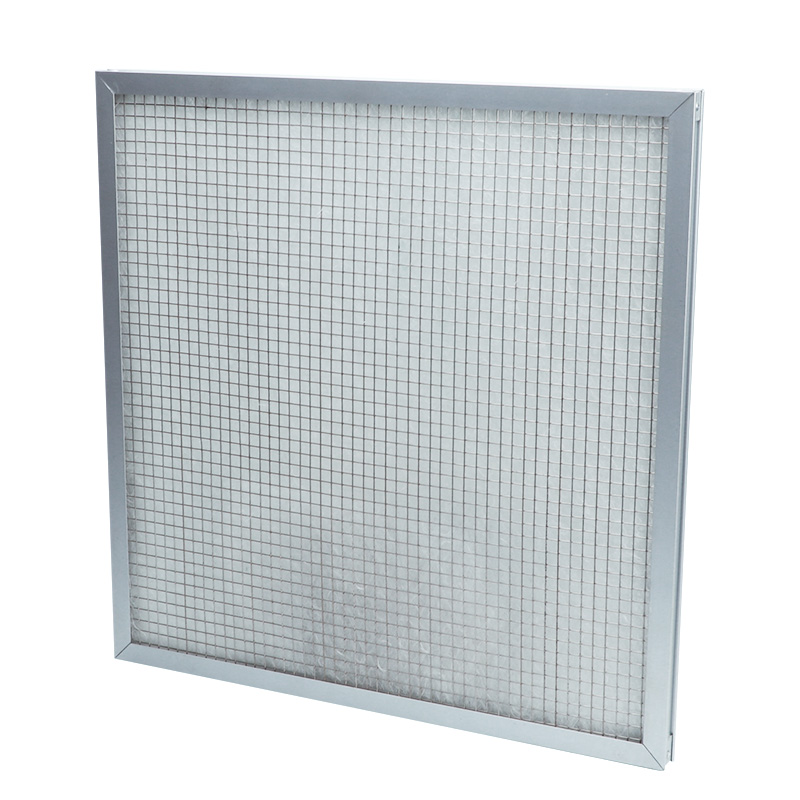
Panel filters are an important component of air filtration systems used in a wide range of applications, including commercial, industrial, and agricultural environments. These filters consist of filter media, typically made of fiberglass, polyester, or synthetic materials, that are arranged in a flat panel format. The filter media is designed to capture dust, dirt, and other particles as air passes through it.
The structure of panel filters generally includes:
Filter Media: The material used to capture airborne particles. It is usually made from glass fiber for high efficiency or synthetic materials for cost-effectiveness and durability.
Frame: The outer casing that holds the filter media in place. Panel filters often feature a frame made of galvanized steel, aluminum, or plastic to ensure stability and durability.
Design: Panel filters can come in various sizes and configurations to suit different airflow and filtration requirements.
Panel filters work by allowing air to pass through the filter media, which captures and holds particles such as dust, pollen, bacteria, and other airborne contaminants. The clean, filtered air then exits the filter and is circulated back into the livestock facility. This process helps to maintain a consistent and clean airflow, which is essential for the health of the animals and workers.
Panel filters are particularly beneficial in livestock facilities where high dust levels, ammonia, and other airborne contaminants are prevalent. These filters help capture harmful particles in the air, contributing to improved air quality and providing several key benefits.
Panel filters are commonly used in barns, stables, and feedlots to manage dust and ammonia levels. In these environments, high dust levels from feed, bedding materials, and animal waste can contribute to respiratory problems in animals and workers. Ammonia, a byproduct of animal waste, is also harmful to both animals and humans. Panel filters help capture these particles and gases, reducing their concentration and improving the overall air quality in these facilities.
In many livestock facilities, panel filters are integrated into HVAC systems that control the temperature, humidity, and airflow. These systems help maintain optimal conditions for both animals and workers, ensuring that air quality remains at acceptable levels. The filters remove particulate matter from the air, ensuring that clean, breathable air is circulated throughout the facility. This contributes to a more comfortable environment for the animals, which can reduce stress and promote healthier growth rates.
In livestock processing facilities, controlling airborne contaminants is just as important as in barns and stables. These facilities often work with carcasses and meat products, which can produce odors and particulate matter during processing. Panel filters help remove dust, bacteria, and pathogens from the air, reducing the risk of contamination and ensuring that the environment remains hygienic. By improving the air quality in processing facilities, panel filters also help maintain food safety standards and reduce the potential for foodborne illness outbreaks.
The health and safety of both animals and workers are paramount in livestock operations. Air quality plays a crucial role in protecting the respiratory health of both groups, and panel filters contribute significantly to improving the overall health and safety standards within these facilities.
Panel filters help reduce the risk of respiratory illnesses in animals, which are often caused by airborne particles such as dust and ammonia. By capturing these harmful particles, panel filters reduce the likelihood of conditions like pulmonary diseases and asthma, which can affect the growth, reproduction, and overall well-being of livestock. Animals that breathe cleaner air are less likely to suffer from stress, leading to improved welfare and higher productivity.
Workers in livestock facilities are often exposed to harmful airborne particles and gases, which can cause long-term health problems if left unaddressed. Panel filters capture dust, ammonia, and other pollutants, creating a safer working environment. By improving air quality, panel filters help reduce the risk of respiratory conditions such as asthma, bronchitis, and other lung diseases in workers. This not only improves worker health but also reduces absenteeism and medical costs, which can impact the profitability of livestock operations.
Livestock facilities are prone to the spread of airborne pathogens, which can cause outbreaks of diseases such as avian influenza, foot-and-mouth disease, and swine flu. Panel filters help reduce the spread of these pathogens by capturing the particles they travel on, preventing them from circulating throughout the facility. By improving air quality, panel filters help prevent the transmission of diseases and contribute to better biosecurity practices.
One of the primary considerations when choosing an air filtration system for livestock facilities is cost efficiency. Panel filters provide a balance of affordability, performance, and long-term savings, making them an excellent choice for improving air quality in agricultural environments.
Panel filters are relatively cost-effective compared to other filtration methods such as HEPA filters or more complex air purification systems. While HEPA filters offer high-efficiency filtration, they come with a higher initial investment and require more maintenance. In contrast, panel filters provide a budget-friendly alternative that still delivers significant improvements in air quality, especially in environments with moderate dust and ammonia levels. This makes them a practical solution for livestock operations, where cost considerations are always important.
Investing in quality panel filters can lead to significant long-term savings for livestock operations. By improving air quality and reducing the buildup of harmful particles, panel filters help prevent respiratory illnesses in both animals and workers. This leads to fewer veterinary bills, reduced medical costs for workers, and less downtime for both animals and employees. Additionally, by improving worker productivity and animal growth rates, livestock facilities benefit from better overall efficiency.
Panel filters also help extend the lifespan of HVAC systems by preventing dust buildup on sensitive components such as cooling coils and air ducts. This results in lower maintenance costs and reduces the likelihood of expensive repairs or replacements, ultimately contributing to the facility's bottom line.
Panel filters are designed to provide low resistance to airflow, which helps optimize the performance of HVAC systems. As air moves through the filters, it is cleaned without causing significant pressure drops, ensuring that the HVAC system runs efficiently. This reduces the energy required to circulate air through the system, leading to lower energy costs over time. In large-scale livestock facilities with complex air handling systems, the energy savings from using panel filters can be substantial, helping farms and processing plants reduce their operational expenses.
Selecting the right panel filter for a livestock facility requires careful consideration of various factors, including the type of dust, airflow needs, and regulatory requirements. Here are the key factors to keep in mind when choosing the ideal panel filter for a livestock facility:
The Minimum Efficiency Reporting Value (MERV) rating is a standard used to measure the efficiency of air filters. The MERV scale ranges from 1 to 16, with higher ratings indicating better particle filtration. For livestock facilities, a MERV rating of 8 to 12 is typically sufficient for filtering dust, pollen, and larger particulate matter. However, if the facility deals with smaller particles or ammonia gases, a higher-rated filter (MERV 13 or above) may be needed. Choosing the right MERV rating ensures that the panel filter captures harmful particles without restricting airflow too much, maintaining optimal system performance.
The type of filter media used in panel filters plays a crucial role in determining their effectiveness. In livestock facilities, where dust and ammonia levels can vary, the right material must be chosen to handle the specific contaminants present. Glass fiber media offers high efficiency for capturing fine dust particles, while synthetic materials such as polyester can provide durability and better resistance to moisture. If odor control is needed, activated carbon cotton media can be included to absorb ammonia and other gases.
When selecting a panel filter, it is essential to consider the size and airflow requirements of the facility. Larger livestock facilities with high dust loads or large numbers of animals may require larger filters to handle the increased air volume. Conversely, smaller facilities may benefit from more compact filters that still provide high efficiency without taking up too much space. Additionally, the filter should be compatible with the existing HVAC system, ensuring that it fits properly and allows for optimal airflow throughout the facility.
Different livestock environments have different needs when it comes to air filtration. For example, poultry farms may require filters that focus on removing fine dust particles from feed, while dairy farms may need filters that manage larger particles and ammonia gases. Additionally, farms in colder climates may need filters that can withstand freezing temperatures, while those in humid regions may need filters that resist mold and mildew growth. Understanding the specific conditions of the facility will help in choosing the most appropriate filter type.
Regular maintenance is essential for ensuring that panel filters continue to operate efficiently and deliver consistent performance. Proper upkeep can extend the lifespan of the filters, ensuring that they provide ongoing air quality improvement for years to come.
Many panel filters are designed to be cleaned and reused, making them a cost-effective solution for long-term air quality control. Depending on the type of facility and dust levels, filters should be cleaned periodically to prevent clogging and maintain optimal performance. Pulse-jet cleaning is a common method used to remove accumulated dust from panel filters, ensuring that they continue to function efficiently without significant buildup.
Cleaning intervals vary based on the dust load and the specific needs of the facility. In high-dust environments, filters may need to be cleaned more frequently, while in less dusty environments, cleaning may only be necessary every few months.
Over time, panel filters will wear out, and their filtration efficiency will decrease. It is important to establish a replacement schedule to ensure that the filters continue to meet air quality standards. Generally, filters should be replaced when they show signs of physical damage, excessive dust accumulation that cannot be cleaned, or a significant increase in the pressure drop. Replacement intervals will vary based on usage and the type of dust being filtered.
To ensure that panel filters are providing the desired air quality, regular monitoring is essential. Air sampling and particle monitoring can help determine if the filter is capturing the appropriate particles and if the facility’s air quality is within acceptable standards. This helps identify when filters need cleaning or replacement and ensures that the facility stays compliant with air quality regulations.
As air filtration technology continues to evolve, several trends are emerging that could further improve air quality in livestock facilities.
New filter media technologies are being developed to improve the efficiency of panel filters, allowing them to capture even finer particles while maintaining low resistance to airflow. Innovations in materials like nanofiber and composite fibers promise to enhance particle capture while reducing energy consumption.
As the livestock industry continues to focus on sustainability, there is growing interest in using eco-friendly filter media that can be recycled or biodegraded after use. This shift toward sustainable materials helps reduce the environmental impact of used filters and aligns with industry goals for reducing waste.
The integration of smart sensors and real-time monitoring systems is another trend that could revolutionize air quality control in livestock facilities. Smart panel filters equipped with sensors can track air quality, pressure drops, and filter condition in real time, providing valuable data for operators to optimize filtration performance and reduce maintenance costs.
Panel filters play a critical role in improving air quality standards across the livestock industry. By capturing harmful dust, ammonia, and pathogens, they help protect animal health, improve worker safety, and contribute to overall operational efficiency. Panel filters are a cost-effective and reliable solution for managing air quality in various livestock environments, from barns and stables to processing plants.
With the right maintenance, careful selection, and ongoing innovation, panel filters will continue to be an essential tool in maintaining high air quality standards across the livestock industry, ensuring healthier animals, safer working conditions, and more sustainable operations.