English
- All
- Product Name
- Product Keyword
- Product Model
- Product Summary
- Product Description
- Multi Field Search
Views: 0 Author: Site Editor Publish Time: 2026-02-23 Origin: Site
A pleated filter is a highly effective air filtration solution commonly used in HVAC systems, air purifiers, and other air quality control applications. These filters are unique in their design, consisting of pleats or folds that increase the surface area of the filter media, allowing it to trap more particles over a longer period compared to standard flat filters. The pleating process significantly enhances the filter's efficiency and longevity, making it a popular choice for both residential and commercial applications.
Pleated filters are typically made from synthetic materials, polyester, or cotton fibers, and their construction enables them to capture a wide range of airborne contaminants, including dust, pet dander, pollen, and even some bacteria and viruses. However, the question remains: how long can a pleated filter last?
Understanding the lifespan of your pleated filter depends on several factors, including the air quality in your environment, how often the system is used, and the specific type of filter you have. In this article, we will explore these factors in detail, helping you understand when it’s time to replace your filter and how you can extend its life for optimal performance.
The quality of air in your home or office is one of the most significant factors affecting the lifespan of a pleated filter. Poor air quality, such as in areas with high dust levels, pollen, or pollution, will cause the filter to accumulate debris faster. A pleated filter works by trapping particles in its fibers, but as the filter collects dust, dirt, and other pollutants, it gradually becomes saturated. The more pollutants present in the air, the quicker the filter will clog, reducing its ability to effectively purify the air.
In contrast, if the air in your space is relatively clean, the filter will last longer, as fewer particles will be trapped. Homes located in areas with less airborne pollution, such as suburban environments with few nearby industrial sites, will experience longer filter lifespans compared to homes in urban areas with high levels of smog and exhaust from vehicles.
Furthermore, high pollen seasons or environments with heavy animal presence can also increase the filter’s exposure to particular contaminants, accelerating its need for replacement. Homes with pets, in particular, often see a reduction in filter lifespan due to pet dander and fur buildup in the air.
The environment in which your pleated filter is installed plays a critical role in its longevity. Filters used in residential HVAC systems tend to last between 3 and 6 months under typical home conditions. However, this timeframe can vary depending on how often the heating and cooling systems are used. Homes with air conditioning running year-round or those in hot, humid climates may need to replace their filters more often.
For commercial or industrial systems, the replacement cycle is much shorter. These systems tend to operate for longer hours and often handle more demanding filtration tasks, which results in filters needing to be changed more frequently. In industries that deal with high levels of dust, smoke, or other airborne contaminants—such as manufacturing, warehouses, or even certain food processing environments—filters are typically replaced every 1 to 3 months.
The duration of use also matters—filters used in continuously operating systems may become clogged quicker than those in systems that are used intermittently. Regular monitoring of these filters is essential to prevent the system from overworking due to reduced airflow caused by clogged filters.
The material used to construct the pleated filter directly impacts its durability and lifespan. Higher-quality filters made from advanced synthetic materials or tightly woven fabrics tend to have a longer service life. Polyester and synthetic fibers are common materials used in premium pleated filters because of their durability, resistance to dirt buildup, and ability to trap fine particles. These materials generally hold up better over time compared to lower-quality materials like paper.
Premium filters, such as those rated for high-efficiency particulate air (HEPA) filtration, often last longer because they are made from dense, high-quality fibers that trap finer particles. These filters are more efficient at filtering out smaller contaminants, such as pollen and smoke, and can go longer between replacements.
On the other hand, budget-friendly filters made from low-cost paper may have a shorter lifespan as they tend to clog faster, especially in environments with high dust concentrations.
Airflow is a crucial factor that affects how long a pleated filter lasts. Filters that are designed for high-efficiency systems with dense filtration media tend to have lower airflow resistance, which helps trap more particles. However, the downside is that such filters can become clogged more quickly than those designed for systems with higher airflow capacity. For this reason, it’s important to choose the right filter for your system, as an overly dense filter may restrict airflow and decrease the efficiency of the system if not replaced on time.
Systems that operate with higher airflow—such as in large commercial HVAC units or air purifiers designed for high air volumes—may have filters that last longer due to the larger volume of air that passes through them, reducing the accumulation of particles per unit of time. Conversely, residential HVAC systems, especially those in smaller spaces, may experience filters becoming clogged sooner, depending on the frequency of use and environmental factors.
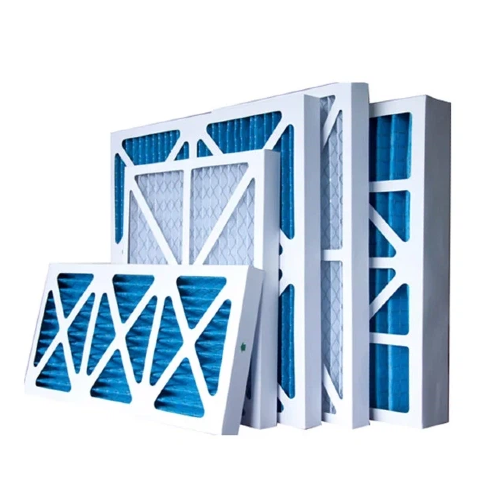
For residential HVAC systems, a pleated filter typically lasts about 3 to 6 months. This is the general recommendation for most households, assuming normal conditions. If the home is in an area with minimal pollution, a pleated filter can last closer to 6 months, whereas homes with high dust, pet dander, or pollen will see filters needing to be replaced at the 3-month mark.
For homes with multiple pets, or those in areas with high pollen counts or pollution levels, you may find that a pleated filter only lasts around 1 to 3 months. Additionally, households that run their air conditioning or heating system frequently, particularly during extreme temperatures, will find that their filter may need replacement sooner.
In commercial or industrial settings, the lifespan of a pleated filter is typically much shorter, usually ranging from 1 to 3 months. These systems often handle larger volumes of air and more significant contamination, which leads to quicker filter wear. In high-traffic areas, such as factories, warehouses, or hospitals, filters can become clogged much faster, necessitating more frequent replacements to maintain system efficiency.
These environments often deal with more intense particulate loads, such as dust from production lines or airborne particles from heavy machinery. Therefore, the pleated filter is designed to capture these larger volumes of contaminants, but it needs to be replaced frequently to avoid clogging and reduce strain on the system.
Environment | Typical Lifespan | Replacement Frequency |
Residential | 3-6 months | Every 3 to 6 months |
Commercial | 1-3 months | Every 1 to 3 months |
Industrial | 1-3 months | Every 1 to 3 months |
A decrease in airflow is often the first noticeable sign that your pleated filter needs replacing. When the filter becomes clogged with dust and other particles, air struggles to pass through, reducing the efficiency of your HVAC system or air purifier. If your system seems to take longer to reach the desired temperature or humidity level, or if you feel less airflow coming through the vents, it could be a sign that the filter is obstructed and needs replacing.
Another clear indicator that your pleated filter needs to be replaced is visible dirt or debris on the filter surface. Over time, as the filter traps dust and other particles, you’ll begin to see a layer of buildup on its surface. If the filter appears darkened or shows signs of heavy accumulation of dust or dirt, it’s time for a change. In some cases, this dirt accumulation might be so noticeable that it becomes an obvious signal to replace the filter.
If you notice a rise in your energy bills, the cause may be a clogged filter. When a filter is dirty or obstructed, your HVAC system has to work harder to push air through, leading to increased energy consumption. Over time, this added workload can cause your system to become less efficient, resulting in higher operating costs.
Another sign of an old or clogged pleated filter is the presence of unpleasant odors coming from your HVAC system. When the filter becomes saturated with dirt and dust, mold or bacteria can start to grow on it. This can lead to musty, stale smells being emitted through the vents. If you notice strange odors in the air, it's likely time to replace the filter.
Regular maintenance can significantly extend the life of your pleated filter. If your filter is washable, clean it every month or as recommended by the manufacturer. Even if the filter is not washable, regular system maintenance—including cleaning the ducts, checking for leaks, and ensuring the system is functioning optimally—can reduce the strain on your filter and prevent it from clogging prematurely.
Routine system checkups are essential for ensuring the longevity of your pleated filter. This includes inspecting the system for any issues that might cause excessive dirt buildup or poor airflow, such as clogged ducts or malfunctioning components. Keeping the HVAC system in good condition helps ensure that the filter doesn't have to work harder than necessary, allowing it to last longer.
Reducing the amount of airborne pollutants in your home can also help extend the life of your pleated filter. Consider using air purifiers in areas with high dust or allergen concentrations and ensure your home is well-ventilated. Keeping the indoor environment clean and reducing sources of pollution can help the filter capture fewer contaminants and extend its service life.
Even with proper maintenance, all filters will eventually need to be replaced. As a general rule, pleated filters should be replaced every 3 to 6 months in residential systems and every 1 to 3 months in commercial or industrial systems. The replacement interval can vary based on air quality, usage frequency, and the specific environment in which the filter is used.
A pleated filter is an essential component in any HVAC system or air purifier, playing a key role in enhancing indoor air quality and maintaining system efficiency. The lifespan of a pleated filter can vary based on several factors, such as air quality, usage, and maintenance. To ensure your system operates at its best, it’s crucial to perform regular maintenance and replace filters as needed. Understanding the elements that influence a filter’s longevity and taking proactive steps to extend its life can help keep your air clean and your system running smoothly.
At GUANGDONG VITE AIR CLEAN SYSTEM CO., LTD., we specialize in providing high-quality pleated filters and air filtration solutions. Our products are designed to meet the needs of various environments, ensuring optimal air quality and system performance. If you're looking for reliable filtration solutions or need assistance with choosing the right filter for your HVAC or air purifier system, feel free to reach out to us. Our team is ready to help you improve your air quality with the best filtration products available.
A1: In residential systems, pleated filters typically need to be replaced every 3 to 6 months. Commercial and industrial systems may require replacements every 1 to 3 months.
A2: Some pleated filters are washable, but most are designed for single-use only. Be sure to check the manufacturer’s guidelines for cleaning instructions.
A3: If you don’t replace a clogged filter, it can cause the HVAC system to work harder, leading to reduced airflow, increased energy consumption, and lower air quality.
A4: Yes, pleated filters are compatible with most HVAC systems and air purifiers, but it’s important to ensure that the filter size and type are appropriate for your specific system.