English

- All
- Product Name
- Product Keyword
- Product Model
- Product Summary
- Product Description
- Multi Field Search
Views: 0 Author: Site Editor Publish Time: 2026-11-20 Origin: Site
Are frequent dust collector shutdowns draining your maintenance budget? The core issue often lies hidden within your filtration fabric. Poor material choices inevitably cause rapid wear. This leads to costly downtime and compliance failures. Choosing the correct fiber is the single most important decision for maximizing operational longevity and reducing overall maintenance costs.
In this comprehensive guide, we explore the critical rules of fiber selection. You will learn how to extend your filtration system's life effectively by understanding environmental factors, comparing raw materials, and evaluating structural metrics.
Industrial dust collection systems rely heavily on their internal components to maintain facility air quality and ensure strict regulatory compliance. At the absolute center of this process is the filtration fabric itself. It acts as the primary line of defense against airborne pollutants.
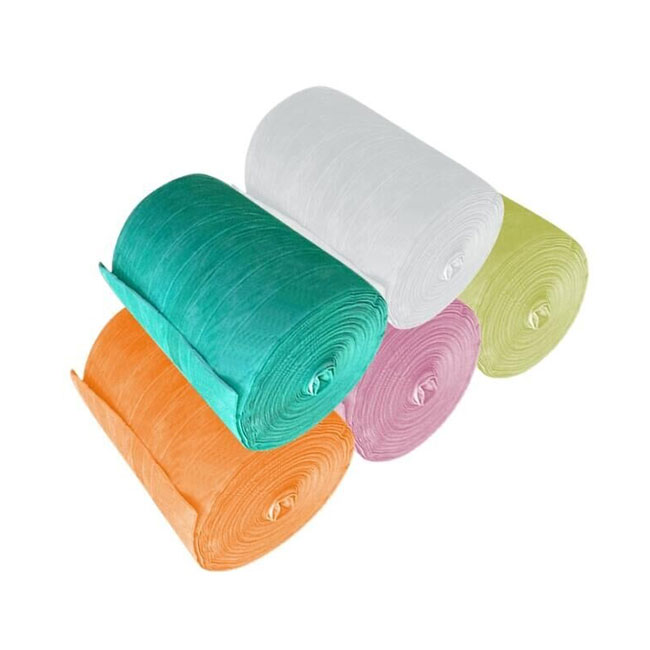
As a filtration engineer, I often see facilities treat filter bags as an afterthought. This is a costly mistake. In practical terms, bag filter media is the specialized fabric housed inside a dust collector to separate solid particulates from exhaust gas. Typically manufactured as either a woven fabric or a needle-punched non-woven felt, it acts as a physical barrier. As dirty air gets pulled through the system, the fabric captures the dust particles on its surface while allowing clean, filtered air to pass through and safely exit the facility.
It is crucial to understand that not all industrial dust is created equal. Abrasive metal shavings from a foundry require vastly different handling than fine, sticky chemical powders from a pharmaceutical plant. The physical and chemical properties of exhaust gas vary wildly depending on the specific manufacturing process. This means the fiber used to create the filter must be perfectly matched to these unique exhaust conditions.
If there is a mismatch between the fiber material and the operating environment, the results are highly problematic. The fabric can suffer from rapid chemical degradation. It might experience severe blinding where dust permanently clogs the microscopic pores. In worst-case scenarios, it leads to catastrophic structural failure. Selecting the correct fiber is the foundational step in building a reliable, efficient, and long-lasting dust collection system.
Before selecting a filtration fabric, facility managers must carefully analyze the external conditions inside the dust collector. These environmental variables ultimately dictate which fiber material will survive and which will rapidly deteriorate.
Temperature remains the most immediate threat to filtration fabrics. When evaluating thermal conditions, it is important to distinguish between continuous operating temperatures and peak surge temperatures. Continuous temperature refers to the normal baseline heat of the system. Peak surges are brief, temporary spikes in heat caused by process fluctuations. Peak surge temperatures destroy more bags than continuous heat. Exceeding a fiber's specific thermal limit has severe consequences. The fabric may shrink, which pulls aggressively on the seams and creates bypass leaks. The fibers can melt or become highly brittle, shattering under the routine mechanical stress of the cleaning cycle.
In addition, industrial exhaust gases frequently contain harsh chemical compounds. Different fibers react uniquely to these aggressive environments. Some materials offer excellent resistance to acidic environments but will rapidly degrade if exposed to alkaline conditions. Oxidation is another major concern. When certain polymers are exposed to oxygen at elevated temperatures, their chemical bonds begin to break down. This leads to a massive loss of tensile strength. Understanding the exact chemical composition of the airstream is necessary to prevent premature chemical degradation of the filter bags.
Moisture introduces a complex set of challenges for dust collection. The most severe risk is hydrolysis. This is the chemical breakdown of a polymer due to the combined presence of moisture and heat. When susceptible materials operate in moist, high-temperature environments, water molecules attack the polymer chains. This reaction causes the fabric to lose its structural integrity and tear easily. In environments with high moisture content, you must specifically select alternative fibers that are inherently resistant to hydrolysis.
The industrial filtration market primarily relies on two broad categories of materials. Understanding the nuanced differences between these options helps procurement teams make informed, evidence-based purchasing decisions.
A synthetic fiber is a manufactured polymer engineered to offer specific mechanical and chemical properties. Common synthetic options include Polyester, Nylon, Aramid, PTFE, and PPS. These materials are highly valued for their overall versatility across diverse industries.
Specifically, they typically offer excellent flex fatigue resistance. They can withstand the constant bending and snapping motions caused by the dust collector's pulse-jet cleaning system. They also provide robust abrasion resistance, protecting the bag from rough, abrasive dust particles. For low-to-medium temperature applications, synthetic materials generally represent the most cost-effective and reliable choice.
While synthetic options are incredibly versatile, they do have strict thermal limitations. This is exactly where glass fiber becomes an absolute necessity. Fiberglass is the go-to material for extreme environments. It is capable of effortlessly withstanding continuous operating temperatures up to 260 degrees Celsius.
In contrast to standard polymers, fiberglass offers exceptional tensile strength and high resistance to most industrial acids. It does possess one major physical limitation: poor flex abrasion resistance. Because glass threads are inherently brittle, they cannot handle aggressive bending. Fiberglass bags require specific, rigid cage designs with more vertical wires to minimize fabric movement during the cleaning cycle.
Recent industry market analyses indicate a growing shift towards advanced synthetic blends and proprietary membrane technologies. As global environmental emission regulations tighten, facilities are gradually moving away from basic commodity fabrics. They are investing in high-performance polymers that offer extended lifecycle value and superior sub-micron particulate capture. This strategic upgrade drastically reduces long-term maintenance costs despite a higher initial capital investment.
| Material Type | Max Continuous Temperature | Acid Resistance | Flex Abrasion Resistance | Best Application Scenario |
|---|---|---|---|---|
| Standard Polyester | 130 degrees Celsius | Fair | Excellent | General manufacturing, cement, woodworking |
| Aramid | 200 degrees Celsius | Fair | Good | Asphalt plants, high-temp metal smelting |
| PTFE Laminates | 260 degrees Celsius | Excellent | Good | Chemical processing, sticky dust environments |
| Fiberglass | 260 degrees Celsius | Excellent | Poor | Power generation, extreme heat applications |
Beyond the chemical makeup of the raw fiber, the physical construction of the bag plays a decisive role in its operational lifespan. Two specific manufacturing metrics require close attention during the procurement phase.
In textile manufacturing, stitch density refers to the precise number of stitches per inch along the longitudinal and bottom seams of the filter bag. This metric is critical for maintaining the structural integrity of the bag and ensuring high filtration efficiency.
If the stitching is too sparse, the gaps between the threads become too large. Fine dust particles will bypass the fabric entirely. This leaks through the seams and causes the facility to fail visual emissions tests. If the stitching is excessively tight, the needle punctures can weaken the fabric. This creates a perforated line that easily tears under mechanical stress. A precise, manufacturer-specified balance is required to optimize both strength and sealing capability.
Another vital metric is burst strength. This measures the maximum internal pressure the fabric can withstand before it physically ruptures. This is especially crucial for systems that utilize aggressive pulse-jet cleaning mechanisms.
In a pulse-jet system, short, powerful blasts of compressed air are shot into the bags to knock the accumulated dust cake off the exterior. This process puts immense outward stress on the fabric. High burst resistance ensures that the media can survive thousands of these aggressive cleaning cycles without tearing. If a material loses its internal strength due to chemical attack or heat degradation, the bag will quickly rupture during a routine cleaning pulse.
Selecting the appropriate filtration components is a systematic process. It requires objective analysis of your operational environment. Making an evidence-based decision minimizes unexpected downtime. Decision-makers should follow these practical standards to specify the correct materials.
First, analyze your dust and gas characteristics. The physical and chemical properties of the particulate matter dictate the necessary fabric characteristics. Abrasive dusts require heavier felts and specific structural designs to resist physical wear. Sticky dusts demand specialized surface treatments to ensure proper cake release. If the gas stream contains combustible particulates, the filtration material must incorporate anti-static properties.
Next, map your temperature profile. Evaluate both the continuous operating temperature and the potential for peak surge temperatures. Every raw material has a strict thermal degradation point. Operating above this threshold causes immediate shrinkage or severe embrittlement. Record the maximum potential temperature spikes during system upsets and select a base material that can withstand these temporary extremes.
When looking at medium-to-high efficiency needs, products matching the EN779 Standard F5-F9 specifications provide a reliable benchmark. You should look for specific performance parameters. A high-quality pocket or bag filter media should offer an initial pressure drop below 45 Pa and a robust dust-holding capacity. These exact specifications ensure that the system maintains high airflow without overworking the exhaust fans.
Finally, verify physical specifications with the manufacturer. The chemical composition is irrelevant if the physical construction is flawed. Procurement teams must verify that the manufacturer guarantees specific structural metrics. Stitching must be strictly controlled to prevent seam leaks. Request technical data sheets that confirm burst resistance and air permeability. This is a mandatory step in the procurement process.
Even the highest quality filtration materials will degrade prematurely if subjected to poor operational practices. Protecting your investment requires a proactive approach to system maintenance and operational tuning.
The pulse-jet cleaning mechanism is inherently destructive over time. Subjecting the fabric to high-pressure blasts of compressed air causes constant flexing. This eventually breaks down the fibrous structure. A common operational error is over-cleaning. Stop relying on continuous timer-based cleaning. It destroys the primary dust cake, which is actually responsible for the majority of the filtration efficiency, and accelerates mechanical wear.
Under-cleaning leads to excessive dust accumulation. This causes high differential pressure, reduced airflow, and eventual blinding. The most effective strategy is to implement a clean-on-demand system driven by differential pressure sensors. By initiating the cleaning cycle only when the pressure drop reaches a specific upper setpoint and stopping at a lower setpoint, operators can significantly extend the flex life of the bags.
Moisture is the enemy of industrial dust collection. When exhaust gases cool below their dew point inside the baghouse housing, condensation occurs. If the gas stream contains acidic byproducts, this condensation turns into highly concentrated acid rain. This environment aggressively attacks the fabric. Moisture also turns dry particulate matter into a dense mud that permanently blinds the fabric pores. Baghouses must be properly insulated to retain heat. Operators should implement pre-heating protocols before introducing dust-laden gas into the system.
Preventive maintenance is far more cost-effective than reactive troubleshooting. Establish a routine inspection schedule. Log pressure drops to identify blinding trends. Monitor the exhaust stack for visible dust plumes. Examine the metal support cages during change-outs. Rusted cages, broken wire stringers, or sharp burrs will rapidly abrade the fabric from the inside out.
The theoretical selection of materials is only half the equation. Actual manufacturing quality determines real-world performance. Substandard manufacturing practices will ruin even the most chemically resilient materials. A bag made of premium PTFE will still fail within weeks if the seams split due to poor construction.
It is imperative to source your components from reputable manufacturers who adhere to stringent quality control protocols. A reliable partner offers engineering support to analyze your specific dust characteristics and operational parameters. By collaborating with an established provider, industrial facilities secure custom-engineered solutions rather than settling for off-the-shelf compromises.
Choosing the optimal filtration fabric is not a guessing game. It is a proven science that requires matching your specific operational needs to the appropriate raw materials. By carefully evaluating environmental factors like temperature and chemical exposure, and insisting on rigorous structural manufacturing standards, facility managers can prevent costly system downtime. Evaluate your current filtration systems thoroughly today. If your facility is struggling with premature bag failures or high differential pressure, it is time to upgrade. Visit Vitefilter to explore high-performance bag filter media and filtration solutions tailored to your specific industrial exhaust conditions.
There is no single most durable material. Durability is entirely relative to the operating environment. For environments involving aggressive chemicals and high temperatures, PTFE offers the best all-around chemical and thermal resistance. Glass fiber is exceptionally durable against extreme heat but lacks mechanical flex resistance. For standard applications without chemical exposure, polyester is highly durable and offers excellent abrasion resistance. The key to durability is exact environmental matching.
This metric is a critical mechanical property that determines how well the fabric can withstand the aggressive, sudden bursts of compressed air during pulse-jet cleaning. Every cleaning cycle exerts immense outward pressure on the fabric. Media with low internal resistance will suffer from accelerated mechanical fatigue. This leads to micro-ruptures, expanding pores, and catastrophic vertical tearing. High resistance ensures the material survives thousands of cleaning cycles.
While some heavy-duty bags can technically be dry-cleaned or washed by specialized professionals, it is generally not recommended for critical industrial dust collector systems. The washing process can severely alter the fabric's dimensional stability. This causes shrinkage that prevents the bag from fitting correctly over its support cage. Washing often destroys critical surface treatments and alters air permeability, ultimately reducing filtration efficiency.
If the stitching is too sparse, the longitudinal and bottom seams of the filter bag become immediate structural weak points. High-pressure compressed air and fine, abrasive dust can easily penetrate the widened gaps between the sparse threads. This leads to immediate particulate emissions failures and causes the thread to wear out rapidly. The weakened joint will eventually tear open under the stress of normal operation.
The lifespan of these components varies heavily based on the specific industrial application. It generally ranges from one to three years. Replacement should not be based solely on a calendar schedule. You should replace your bags when the differential pressure remains constantly high and unmanageable even after aggressive cleaning cycles. You should also replace them if continuous emissions monitoring systems detect particulate bypass.
Moisture drastically reduces performance by causing dust agglomeration. When dust mixes with moisture, it forms a sticky paste that coats the filter media, leading to irreversible pore blinding. This spikes the differential pressure and starves the system of airflow. Moisture combined with heat and certain chemicals can trigger hydrolysis, causing the fibers to physically break down and tear.
Woven media is created by interlacing threads on a loom, creating a structured geometric pattern. It is typically used for specific applications requiring surface filtration and high tensile strength, like fiberglass in high-heat environments. Non-woven media, often needle-punched felt, is made by mechanically entangling fibers. Non-woven felts offer superior depth filtration, higher air permeability, and are the standard choice for most modern pulse-jet dust collectors.