English
- All
- Product Name
- Product Keyword
- Product Model
- Product Summary
- Product Description
- Multi Field Search
Views: 0 Author: Site Editor Publish Time: 2026-02-12 Origin: Site
A panel filter is a crucial component in air filtration systems, commonly used in HVAC systems, air purifiers, and other filtration units. It consists of a flat, rectangular frame filled with filter media designed to capture airborne particles such as dust, pollen, pet dander, and other contaminants. These filters help maintain clean and healthy indoor air quality by trapping particles as air passes through the filter, preventing them from circulating in the environment.
Panel filters not only improve air quality but also significantly impact the performance of HVAC systems, air purifiers, and filtration units. By maintaining proper airflow and preventing the buildup of debris, clean panel filters enable HVAC systems to operate more efficiently, reducing energy consumption and minimizing wear and tear on the system. In air purifiers, they enhance the filtration process, ensuring cleaner air. Properly maintained panel filters are essential for keeping filtration systems running smoothly and extending their lifespan.
Panel filters play a critical role in maintaining efficient airflow within HVAC systems. As air passes through the filter, it traps dust, dirt, and other particles, preventing them from entering the system. A clean filter allows air to flow freely, ensuring the HVAC system operates at peak performance. When the filter is clogged or dirty, airflow becomes restricted, causing the system to work harder to circulate air. This increases the strain on the system, reducing its efficiency and effectiveness. By keeping the filter clean, panel filters help maintain smooth airflow, optimizing HVAC performance.
When panel filters are clean, the HVAC system doesn’t have to work as hard to move air through the ducts. With unobstructed airflow, the system consumes less energy to heat or cool a space. A dirty or clogged filter forces the HVAC unit to run longer, use more power, and consume more energy to achieve the desired temperature. This leads to higher energy bills. By regularly replacing or cleaning the panel filter, homeowners and businesses can reduce energy consumption and lower operational costs, making panel filters an affordable and effective way to save on energy.
Properly functioning panel filters contribute to the longevity of HVAC systems. By capturing debris before it enters the system, the filter prevents dust and particles from accumulating in sensitive components like coils, fans, and motors. This reduces wear and tear, helping the system run smoothly for longer periods. Without a clean filter, particles can build up and cause mechanical problems, leading to costly repairs or even early system failure. Regularly maintaining or replacing panel filters reduces the risk of system damage and extends the life of the equipment, ultimately lowering maintenance and replacement costs.
Panel filters effectively trap airborne particles like dust, pollen, pet dander, and mold spores. Made of materials such as synthetic fibers or fiberglass, they prevent these contaminants from circulating in the air, improving indoor air quality.
By removing allergens and pollutants, panel filters help create a healthier environment, particularly for those with asthma, allergies, or sensitivities. Cleaner air reduces symptoms like coughing and sneezing, promoting better health, comfort, and overall well-being.
Panel filters are essential in spaces that need clean air. In homes, they reduce allergens; in offices, they improve productivity by promoting better air quality; and in hospitals, they help prevent the spread of airborne pathogens, ensuring sterile environments.
A clean panel filter ensures that air flows smoothly through the HVAC system, maintaining proper airflow. When the filter is clean, it allows air to pass through without obstruction, enabling the system to function efficiently. Clogged filters restrict airflow, causing the system to work harder, which can reduce its overall performance. By keeping the filter clean, panel filters optimize airflow and ensure the HVAC system operates at its best.
When a panel filter is clogged with dirt and debris, the HVAC system must work harder to circulate air, increasing energy consumption and wear on the system. Over time, this strain can lead to overheating, increased wear on components, and potential system failure. By regularly cleaning or replacing the filter, you reduce the strain on the system, preventing it from overworking and extending its lifespan.
The right panel filter helps maintain the balance of the HVAC system by ensuring that it runs efficiently without excessive strain. Using the appropriate filter size, material, and MERV rating for the system ensures that it functions optimally, balancing filtration needs with airflow requirements. A well-maintained filter supports the system's health and helps avoid unnecessary repairs, keeping the HVAC unit running smoothly for longer.
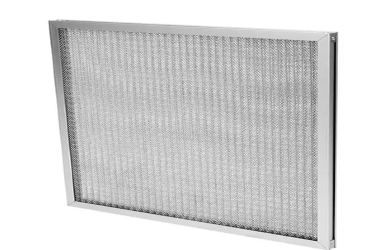
The MERV (Minimum Efficiency Reporting Value) rating indicates the efficiency of a panel filter in capturing particles of different sizes. A higher MERV rating means the filter can trap smaller particles, such as dust mites, pollen, and pet dander, providing better air quality. When choosing a filter, consider the air quality needs of your environment:
MERV 8-11: Suitable for residential homes, capturing larger particles like dust and pollen.
MERV 12-16: Ideal for commercial or healthcare environments where better filtration is needed to capture finer particles.
Choosing the right MERV rating helps balance filtration efficiency with airflow, as higher ratings can reduce airflow if the system is not designed for them.
To ensure optimal performance, it's crucial to select a panel filter that fits your HVAC system precisely. A filter that's too small or too large can allow air to bypass it, reducing its effectiveness and possibly causing strain on the system. Always check the dimensions of your existing filter or refer to your system's manual to ensure the correct size. A well-fitting filter ensures maximum filtration efficiency and airflow.
The material of the panel filter affects both filtration performance and airflow. Common materials include:
Synthetic fibers: Durable and capable of trapping larger particles, often used in standard filters for homes and offices.
Fiberglass: Lightweight and cost-effective, suitable for basic filtration needs.
Electrostatic materials: These filters attract smaller particles with an electrostatic charge, providing better filtration without sacrificing airflow.
Choosing the right material ensures that the filter meets your filtration needs while allowing proper system performance.
Residential use: Replace every 1-3 months, depending on household size, pets, or air quality.
Commercial use: Replace every 3-6 months, with more frequent changes in high-traffic areas.
High-dust environments: Replace more often to maintain airflow and air quality.
Yes, a clogged filter restricts airflow, forcing the HVAC system to work harder. This increases energy use, puts strain on the system, and reduces air quality as the filter becomes less effective.
A higher MERV rating improves filtration by capturing smaller particles, but may reduce airflow if the system isn't designed for it. It’s important to choose a MERV rating that matches your system's capacity and filtration needs.
Yes, panel filters are crucial in large spaces like warehouses or factories. They capture dust and contaminants, improving air quality and protecting workers' health while meeting air quality regulations in industrial settings.
A panel filter is an essential component in maintaining air quality and system efficiency in HVAC systems, air purifiers, and other filtration units. It consists of a flat, rectangular frame with filter media designed to capture airborne particles such as dust, pollen, pet dander, and mold spores. By trapping these contaminants, panel filters help prevent them from circulating through the air, significantly improving indoor air quality.
In HVAC systems, panel filters ensure proper airflow, which is vital for system efficiency. A clean filter allows air to flow freely, reducing strain on the system and lowering energy consumption. When filters become clogged, airflow is restricted, causing the system to work harder and potentially leading to higher energy bills and reduced equipment lifespan. Regular cleaning or replacement ensures optimal performance, preventing overworking and costly repairs.
The effectiveness of a panel filter depends on factors like MERV rating, size, and material. Choosing the right filter based on these criteria helps meet the filtration needs of various environments, from homes and offices to industrial settings. Whether in residential or commercial spaces, the right panel filter keeps the air clean and ensures the longevity of HVAC systems.