English
- All
- Product Name
- Product Keyword
- Product Model
- Product Summary
- Product Description
- Multi Field Search
Views: 0 Author: Site Editor Publish Time: 2026-02-28 Origin: Site
Industrial environments are inherently dusty, and the presence of airborne dust is a significant concern across a wide range of industries. Whether in manufacturing, mining, pharmaceuticals, agriculture, or energy production, industrial dust poses a serious threat to worker health, equipment longevity, and environmental compliance. In these industries, controlling dust is not just about improving air quality—it is about creating a safer, more efficient, and more compliant work environment.
One of the most effective ways to manage industrial dust is through the use of bag filters. These filters are critical components of dust collection systems, playing a vital role in capturing particulate matter before it becomes harmful. Bag filters not only contribute to compliance with environmental regulations but also ensure the longevity of equipment and the health of workers. This article delves into the importance of bag filters in industrial dust control, how they work, their advantages, and how to maintain them for optimal performance.
Industrial dust is categorized by its source, composition, and particle size. The type of dust that is generated depends on the specific processes within an industry. Common types of industrial dust include:
Wood Dust: Generated in woodworking, construction, and furniture manufacturing.
Metal Dust: Produced during metalworking processes such as cutting, grinding, and welding.
Chemical Dust: Created in industries such as pharmaceuticals, pesticides, and plastic manufacturing.
Mineral Dust: Common in mining, construction, and cement manufacturing.
Agricultural Dust: Resulting from processes such as grain handling and food processing.
Each of these dust types poses unique risks, which must be addressed with the appropriate filtration system. For instance, wood dust can cause respiratory problems and contribute to respiratory diseases such as asthma. Metal dust, depending on its composition, can be highly toxic and carcinogenic. Regardless of the dust type, controlling its presence is critical for both worker safety and equipment preservation.
Industrial dust can cause a variety of health problems, particularly when inhaled over long periods. These health risks include:
Respiratory diseases: Conditions like asthma, chronic obstructive pulmonary disease (COPD), and pneumoconiosis (also known as "black lung disease" in coal miners).
Cancer: Prolonged exposure to certain types of industrial dust, such as silica and asbestos, has been linked to lung cancer and other cancers.
Eye irritation: Dust can irritate the eyes, leading to discomfort and potential long-term damage.
Skin irritation: Some dusts can also cause dermatitis and other skin conditions.
For industries that handle harmful dusts like metal or chemical dust, the risks are even higher. Thus, effective dust control systems are not only necessary to maintain clean air but to protect workers from serious, often life-threatening conditions.
In addition to health risks, industrial dust can have a negative impact on the environment. Dust that escapes into the atmosphere can settle on nearby soil, water bodies, and vegetation, potentially harming ecosystems. Moreover, excessive dust emissions can lead to air pollution, contributing to environmental degradation and violation of regulatory limits set by agencies such as the Environmental Protection Agency (EPA) in the United States or European Union environmental regulations. Therefore, dust collection systems, such as those using bag filters, are essential to minimize the environmental impact of industrial operations.
The need for effective dust control systems is not only a matter of health and safety but also compliance. Various regulations and standards, including the Occupational Safety and Health Administration (OSHA) standards, EPA regulations, and local environmental laws, mandate that industries take measures to control dust emissions. In many regions, failure to meet these standards can result in fines, penalties, or even shutdowns of operations. Using reliable dust control systems such as bag filters is a proactive step toward meeting these legal requirements and ensuring continuous, lawful operation.
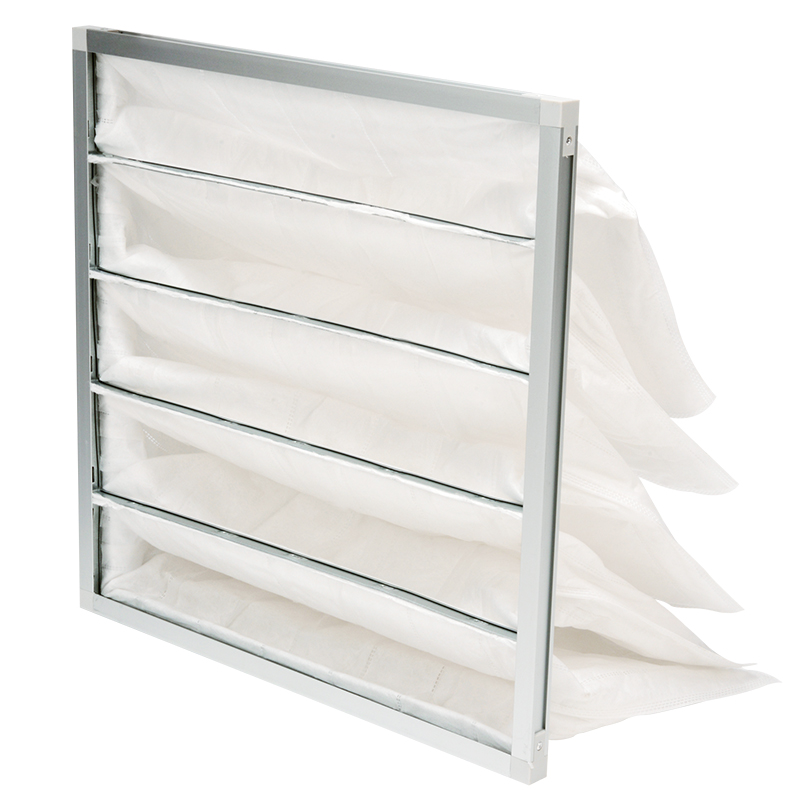
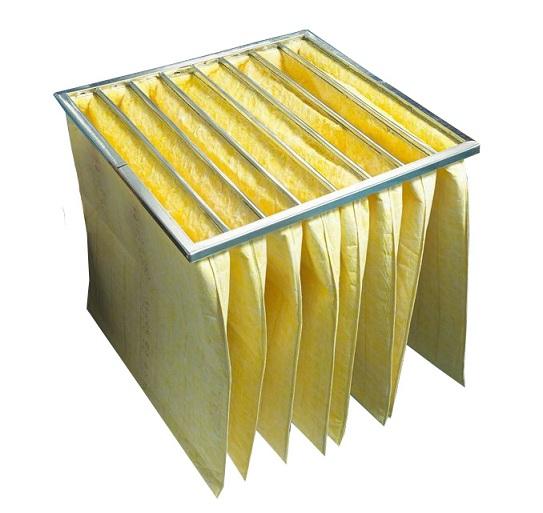
Bag filters, or pocket filters, are designed to capture a wide range of dust particles by trapping them in their filter media as air passes through. The filter media consists of woven fabric or non-woven materials that create a dense mesh structure, capable of capturing fine dust particles as small as 0.5 microns. The process of filtration can be broken down into several steps:
Air intake: Dust-laden air enters the filtration system through the inlet.
Particle capture: As air passes through the bag filters, dust particles are trapped in the filter media.
Clean air release: Once filtered, the clean air exits the system, ready to be reintroduced into the environment.
The efficiency of bag filters is determined by their design and the quality of the media used. The bags themselves are typically suspended vertically or horizontally in a filter housing, depending on the system design.
In industrial settings, bag filters are specifically designed to handle large volumes of dust while maintaining a manageable pressure drop and preventing clogging. The filter media used in bag filters can vary depending on the type of dust being captured. Materials include:
Polyester: Commonly used for general dust collection in various industries.
Fiberglass: Ideal for high-temperature applications or fine dust particles.
Activated Carbon: Used for specialized filtration, such as for odors or gases.
Nomex or P84: High-performance materials used for extreme temperature applications, such as in cement manufacturing or foundries.
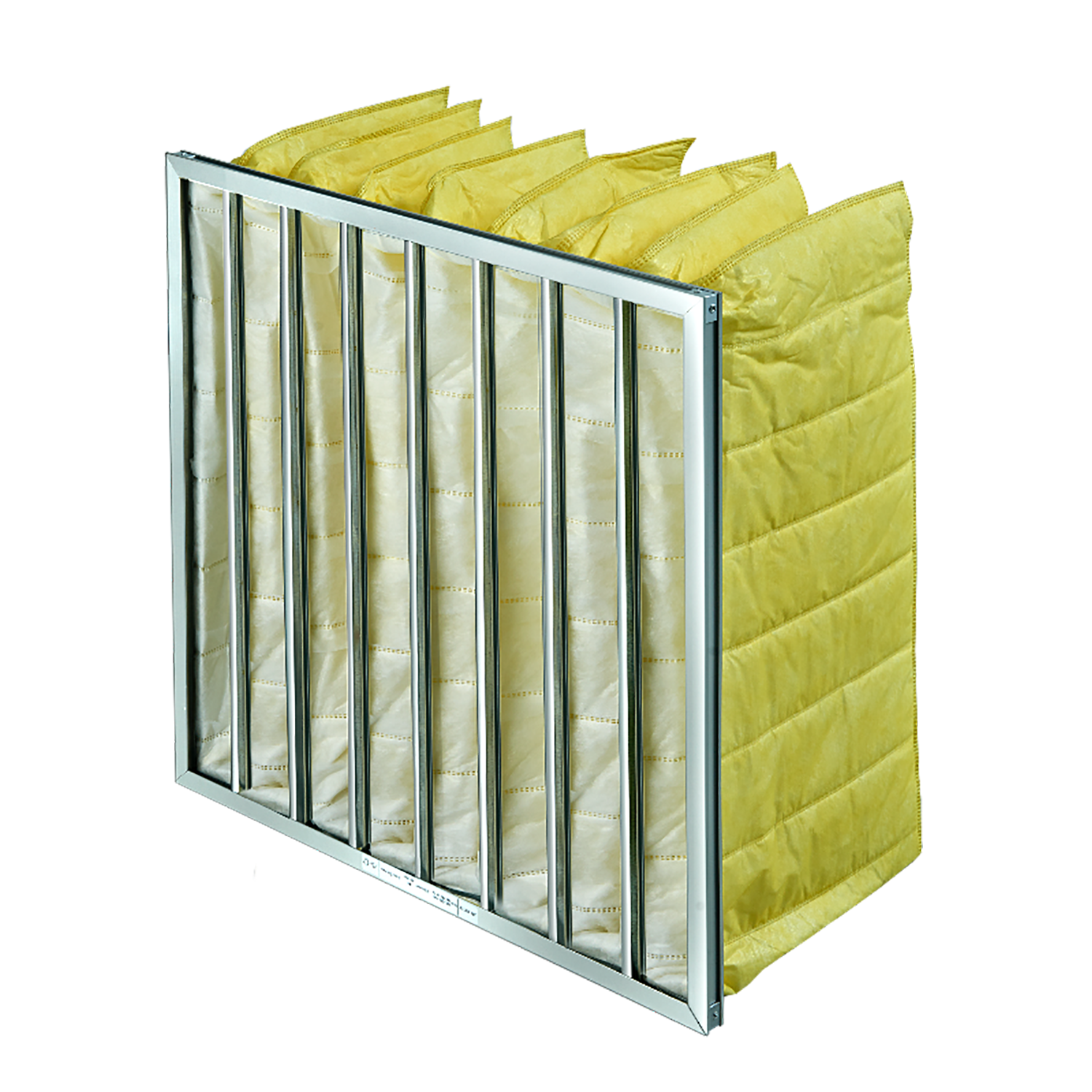
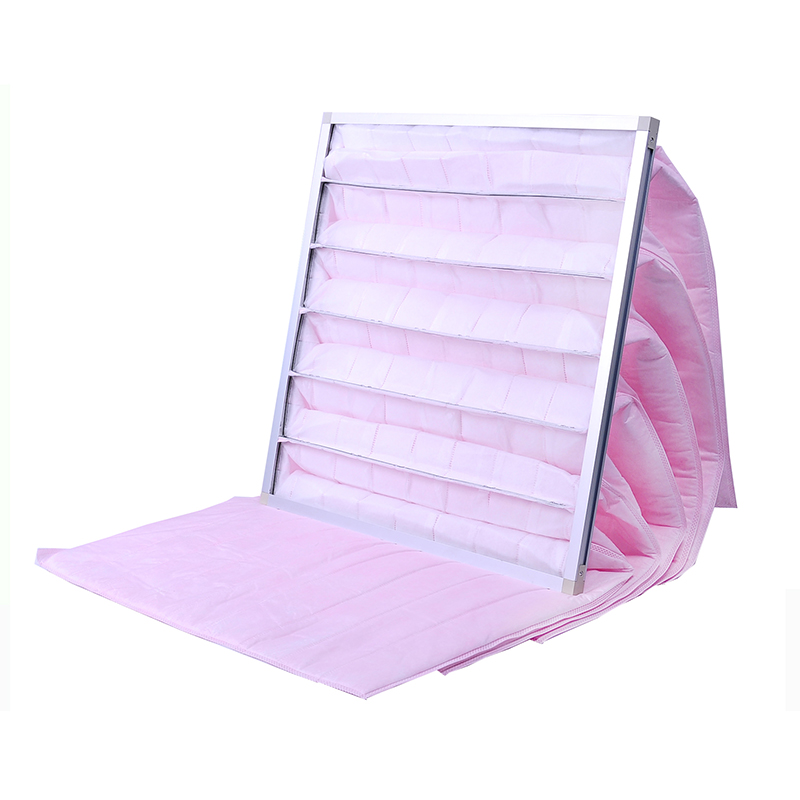
The pockets in bag filters increase their surface area, allowing them to collect more dust and improving the overall efficiency of the system. The frames that house the filter bags are designed to ensure the bags are tightly sealed and held in place, preventing bypass air from entering the system unfiltered.
To ensure continuous performance in industrial dust control, bag filters are often equipped with advanced cleaning technologies. The most common cleaning methods include:
Pulse Jet Cleaning: A burst of compressed air is directed into the filter bags, shaking off the dust collected on the surface. This method is effective for continuous operation, as it prevents clogging without needing to stop the system.
Reverse Air Cleaning: This method involves reversing the airflow momentarily to dislodge dust from the filter bags. This is typically used in systems with lower airflows or in applications that don't require continuous filtration.
Shaker Cleaning: A mechanical shaker vibrates the bags to loosen dust. While effective, this method requires more downtime and is less commonly used in high-efficiency systems.
These cleaning mechanisms allow bag filters to maintain high filtration efficiency for long periods of time, even in environments with high dust loads.
Bag filters are known for their high filtration efficiency, making them suitable for capturing both fine and coarse dust particles. With MERV (Minimum Efficiency Reporting Value) ratings often exceeding MERV 15, bag filters can capture a wide range of particulate matter, from larger dust particles to fine particulates like pollen and smoke. This efficiency makes bag filters ideal for industries that deal with harmful dust types, ensuring a cleaner, safer environment for workers.
Bag filters are versatile and can be adapted to a wide range of industrial dust control needs. Whether dealing with large volumes of coarse dust in mining or fine particulate matter in pharmaceutical production, bag filters can be customized in terms of filter media, bag size, and configuration to handle various dust types effectively. This adaptability makes them a go-to choice across many different industries, including:
Manufacturing and machining
Chemical processing
Mining
Agriculture and food production
In industrial applications, bag filters are built to last. With robust construction materials like galvanized steel frames and durable media, bag filters can withstand harsh conditions, including high temperatures, aggressive dust types, and heavy usage. Their durability ensures that they provide reliable performance over extended periods, reducing the need for frequent replacements and lowering operational costs.
Bag filters are often more cost-effective than other filtration methods, particularly for industries with high dust loads. While HEPA filters offer higher filtration efficiency, they are more expensive and generally require more maintenance. Bag filters provide a practical balance of performance and affordability, making them an ideal choice for industries looking to control dust without breaking the bank.
When selecting and designing bag filters for industrial dust control, there are several important factors to consider. These considerations ensure that the system operates efficiently, effectively captures dust particles, and meets the specific needs of the industry.
Choosing the right filter media is critical to the performance of the bag filter. Different industries and dust types require different types of media for optimal efficiency. Here are some common filter media used in industrial bag filters:
Polyester: Commonly used in general industrial applications for filtering larger dust particles. It is cost-effective and performs well in many environments but may not be suitable for extremely fine dust or high temperatures.
Glass Fiber: Ideal for applications where high-efficiency filtration is needed, such as for fine dust and hazardous particles. It can also handle higher temperatures, making it suitable for environments like cement manufacturing and metalworking.
Activated Carbon Cotton: Used in applications where gases, odors, and fine particles need to be filtered, such as in chemical processing or food production. Activated carbon absorbs gases and contaminants, making it a versatile choice for complex filtration needs.
The media must be selected based on the type of dust being filtered, its size, and the environmental conditions in which the bag filter will operate.
One of the key design considerations for bag filters is managing the airflow and dust load. Commercial and industrial environments often produce large volumes of dust, so the filter design must accommodate this demand while maintaining optimal efficiency.
In high-dust-load situations, it’s important to ensure that the bag filter can handle the amount of dust being generated without clogging too quickly or creating excessive pressure drops. A balance between high dust holding capacity and low resistance to airflow is essential to maintain the system's performance.
Bag filters come in various sizes and configurations to meet different industrial needs. The selection of size depends on factors such as the volume of air needing filtration, the amount of dust being generated, and the available space for the filter system. In larger operations, multiple bag filters may be required, each configured to handle specific dust loads.
Bag filters are generally designed in either vertical or horizontal configurations, depending on the space available. The pocket-style filter is a common choice for larger systems as it maximizes filter surface area and allows for higher airflow capacity.
Ensuring proper sealing and containment is vital for the effectiveness of bag filters. Any leakage around the edges or seams of the filter can lead to unfiltered air bypassing the system, reducing the overall efficiency. Proper sealing also prevents dust from escaping into the environment, ensuring compliance with environmental regulations.
Sealing materials such as gaskets and seals are used to ensure a tight fit between the filter and its housing. Additionally, containment systems should be designed to collect and dispose of dust safely once it has been filtered.
Regular maintenance and monitoring are crucial to ensuring that bag filters continue to operate at optimal performance, effectively capturing dust particles and reducing the likelihood of system breakdowns.
Routine maintenance is essential to keep bag filters functioning effectively over time. The most basic maintenance tasks include:
Inspection of filter media for signs of wear, damage, or clogging.
Cleaning or replacing the filter bags according to the manufacturer’s recommendations or when the pressure drop exceeds acceptable limits.
Inspection of the entire dust collection system, including ductwork, fans, and housings, to ensure that dust is being captured and that the system is not leaking or malfunctioning.
Many industrial settings also have maintenance teams dedicated to inspecting and cleaning the bag filters regularly, ensuring that they remain in top working condition.
One of the key indicators of bag filter performance is the pressure drop, which measures the difference in air pressure before and after the filter. As dust accumulates on the filter media, the resistance to airflow increases, leading to a rise in the pressure drop. Monitoring the pressure drop helps determine when the filters need cleaning or replacement.
In many industrial systems, pressure sensors are installed to automatically track and record pressure levels. When the pressure drop reaches a specified threshold, the filter can be cleaned or replaced before it impacts airflow or efficiency.
While some bag filters are designed to be cleaned and reused, others need to be replaced after a certain period. Bag replacement is typically required when:
The pressure drop becomes too high, indicating that the filter media is clogged.
The bags are physically damaged or torn, reducing their ability to capture particles.
The filter media has reached the end of its lifespan and can no longer perform efficiently.
Cleaning methods such as pulse-jet cleaning (a burst of compressed air) or reverse airflow can be used to dislodge accumulated dust from the filter bags. Regular cleaning reduces the frequency of bag replacements and ensures that the system continues to operate efficiently.
In some applications, pre-filters are used in conjunction with bag filters to protect the bag filters from larger particles and extend their life. Pre-filters can be cleaned more easily and frequently, allowing the main bag filter to perform its task of capturing fine particles without becoming clogged too quickly.
Regular cleaning of pre-filters also ensures that dust collection systems remain effective over time, preventing buildup that could damage the system.
As industrial needs evolve, so do the technologies used to control dust. Here are some innovations and trends that are shaping the future of industrial dust collection.
The rise of smart technology has led to the development of smart bag filters. These filters are equipped with sensors that can monitor key parameters such as pressure drop, airflow, and filter condition in real time. The data collected by these sensors can be used to predict when the filter needs maintenance or replacement, preventing unexpected failures and downtime.
Real-time monitoring can help optimize the dust collection system, improving efficiency and reducing energy costs. Additionally, smart filters can help facilities maintain compliance by ensuring that the system is always functioning properly.
As industries continue to focus on sustainability, there is a push toward more energy-efficient bag filters. New designs aim to reduce the pressure drop while maintaining high filtration efficiency. Innovations in filter media and pleating techniques are helping to reduce energy consumption while still capturing fine dust particles.
Energy-efficient filters reduce the overall operating cost of dust collection systems and help industries meet environmental goals.
With increasing environmental concerns, many manufacturers are developing eco-friendly filter materials. These materials are designed to be recyclable, reducing waste in the long term. In addition, more sustainable production methods are being explored to create filters that use fewer resources and generate less environmental impact.
In large industrial facilities, automation is playing an increasingly important role in dust control. Automated cleaning systems, such as pulse-jet cleaning and reverse airflow cleaning, ensure that bag filters are cleaned consistently and effectively, even in the most demanding environments. Automated systems also make it easier to monitor and maintain filters, reducing human intervention and improving overall system efficiency.
Bag filters are an essential component of industrial dust control systems. They play a key role in protecting workers, equipment, and the environment from the harmful effects of dust exposure. By providing high filtration efficiency, reducing maintenance costs, and improving system longevity, bag filters offer a cost-effective solution for managing industrial dust.
With ongoing advancements in technology, including smart sensors, energy-efficient designs, and sustainable materials, bag filters will continue to evolve and provide even more efficient solutions for industrial dust control. As industries move toward greener, more efficient operations, bag filters will remain a critical part of the solution for safe and effective dust management.