English
- All
- Product Name
- Product Keyword
- Product Model
- Product Summary
- Product Description
- Multi Field Search
Views: 0 Author: Site Editor Publish Time: 2026-02-18 Origin: Site
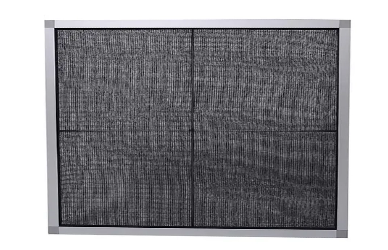
Panel filters are an essential component in air filtration systems, commonly used in HVAC units, air purifiers, and other types of filtration equipment. These filters are designed to capture airborne particles like dust, pollen, pet dander, mold spores, and other contaminants, preventing them from circulating throughout the air. By improving indoor air quality, panel filters help create a healthier environment and enhance overall comfort. Additionally, they play a crucial role in maintaining the efficiency of HVAC systems by ensuring proper airflow, reducing strain on the system, and lowering energy consumption. The question many people ask is whether panel filters are worth the investment, given their relatively low cost compared to other filtration options. This article explores the benefits of panel filters, their effectiveness in different environments, and how they contribute to long-term savings in both energy bills and equipment maintenance.
Panel filters significantly improve indoor air quality by capturing airborne particles like dust, pollen, pet dander, and mold spores. These contaminants are common allergens that can impact respiratory health. By trapping these particles, panel filters reduce the risk of allergies, asthma, and other health issues, ensuring cleaner, healthier air in homes, offices, and industrial spaces.
A clean panel filter ensures optimal airflow, allowing the HVAC system to run efficiently. Clogged filters restrict airflow, forcing the system to work harder and use more energy, which increases utility bills. Regular cleaning or replacement of the filter keeps airflow unobstructed, reducing energy consumption, lowering costs, and improving overall system performance.
Panel filters help extend HVAC system lifespan by preventing dust and debris from accumulating in key components like coils, fans, and motors. Without a filter, these particles can cause overheating, excess strain, and premature breakdowns. Regular use of a panel filter protects the system from damage, reducing maintenance needs and saving money on repairs or replacements.
HEPA Filters are known for their high-efficiency filtration capabilities, trapping 99.97% of particles as small as 0.3 microns. This makes HEPA filters ideal for environments that require extremely clean air, such as hospitals, laboratories, and cleanrooms.
Pros of HEPA Filters:
Highly effective at capturing very fine particles, including bacteria, viruses, and smoke.
Best for environments with stringent air quality requirements.
Cons of HEPA Filters:
More expensive than panel filters.
Can restrict airflow if not used in systems designed for high-efficiency filtration, which could impact HVAC system performance.
Panel Filters, on the other hand, generally have lower filtration efficiency and are better suited for capturing larger particles like dust, pollen, and pet dander. They are less expensive and are commonly used in residential and light commercial HVAC systems.
Pros of Panel Filters:
Cost-effective and easy to replace.
Suitable for general air filtration needs, such as dust and larger allergens.
Easier to maintain and clean in residential and commercial systems.
Cons of Panel Filters:
Less efficient at capturing smaller particles compared to HEPA filters.
Not suitable for highly sensitive environments that require ultra-fine filtration.
Electrostatic Filters use an electrostatic charge to attract and trap airborne particles, providing better filtration than standard panel filters for smaller particles. These filters are often reusable and can be washed, making them a more sustainable option.
Pros of Electrostatic Filters:
Reusable, offering long-term cost savings.
More effective at capturing smaller particles compared to basic panel filters.
Good for reducing allergens in homes and offices.
Cons of Electrostatic Filters:
Generally more expensive upfront than panel filters.
Require periodic cleaning to maintain efficiency.
Panel Filters are simpler and often less expensive, but they are generally less effective at capturing the smallest particles when compared to electrostatic filters.
Pros of Panel Filters:
Budget-friendly and easy to replace.
Simple to install and maintain.
Cons of Panel Filters:
Less effective at trapping smaller particles compared to electrostatic filters.
Pleated Filters are similar to panel filters but have a folded or pleated design that increases the surface area for trapping particles. This makes pleated filters more efficient than standard panel filters, as they can capture more dust and allergens without restricting airflow as much.
Pros of Pleated Filters:
Higher filtration efficiency than panel filters.
Longer lifespan due to increased surface area.
Less frequent replacement needed compared to panel filters.
Cons of Pleated Filters:
More expensive than basic panel filters.
Can cause airflow issues if not the right size for the system.
Panel Filters are simpler and more affordable but may need to be replaced more often, especially in high-dust environments.
Pros of Panel Filters:
Cost-effective and easy to replace.
Ideal for general air filtration needs in residential and light commercial settings.
Cons of Panel Filters:
Less efficient than pleated filters, requiring more frequent changes.
Panel filters are affordable, making them a popular choice for homeowners and businesses. They are generally less expensive than HEPA filters, electrostatic filters, and pleated filters, which are often priced higher due to their advanced filtration capabilities.
Panel Filters: Cost-effective and easy to replace, ideal for filtering larger particles like dust, pollen, and pet dander in residential HVAC systems.
HEPA Filters: High-performance filters that remove fine particles but come at a significantly higher cost, making them less economical for everyday use.
Electrostatic Filters: More expensive than panel filters but reusable, offering long-term savings through washing and reusing.
Pleated Filters: Provide better filtration and last longer than panel filters, but their higher cost may not fit every budget.
Though panel filters are low-cost initially, they can provide significant long-term savings:
Energy Efficiency: Clean filters maintain proper airflow, allowing HVAC systems to run efficiently and reducing energy consumption. Regular filter replacement lowers energy bills by preventing the system from working harder due to clogged filters.
Prolonged Equipment Life: Clean panel filters prevent dirt buildup in HVAC components, reducing wear and tear and extending the system's lifespan. This helps avoid expensive repairs and early replacements.
Affordable Maintenance: Panel filters are inexpensive to replace and require minimal maintenance. In contrast, high-efficiency filters, while effective, come with higher replacement costs.
Residential Settings:
Panel filters are a cost-effective option for improving air quality and maintaining HVAC efficiency in homes. They capture common allergens like dust, pollen, and pet dander, making them ideal for allergy sufferers. Their low cost and easy maintenance provide long-term savings by improving energy efficiency and system performance.
Commercial Settings:
In offices, schools, and restaurants, panel filters help improve air quality, making spaces more comfortable and healthier. They provide an affordable solution for managing air quality without the high costs of more advanced filters. For businesses, panel filters offer good value by balancing filtration performance and cost.
Industrial Settings:
In warehouses and factories, panel filters protect equipment from dust and improve worker air quality. While more specialized filters may be needed for sensitive environments, panel filters are often sufficient for general industrial applications, offering an economical solution for air quality and system protection.
When choosing a panel filter, consider:
Filtration Needs: Panel filters work well for dust and allergens, but finer particles may require higher-efficiency filters like HEPA or pleated filters.
Environment: Homes with pets or high allergens may need more frequent changes. Commercial and industrial environments may need specialized filters based on dust levels.
System Type: Ensure the filter fits your HVAC system’s specifications for optimal airflow and efficiency.
HEPA filters capture 99.97% of particles as small as 0.3 microns, making them ideal for environments needing high filtration efficiency, like hospitals. Panel filters are less efficient, mainly capturing larger particles like dust and pollen. They are suitable for general air quality needs in residential and light commercial settings.
Yes, clean panel filters help prevent debris buildup in the HVAC system, reducing strain on components like motors and coils. This results in lower maintenance costs and helps extend the system’s lifespan by preventing wear and tear.
Panel filters are effective in moderate pollution environments like offices and warehouses. However, for spaces with high pollution or fine particulate matter, like factories, more efficient filters may be needed. Panel filters may need frequent replacement in such areas to maintain effectiveness.
Panel filters last about 1-3 months, depending on use and environment. In dusty or high-traffic areas, they may need replacement every 1-2 months. Replace the filter when it becomes dirty, clogged, or reduces airflow to maintain system efficiency.
Panel filters offer a cost-effective and efficient solution for improving air quality and maintaining HVAC system performance across various environments. While they may not offer the high filtration efficiency of HEPA filters, they are ideal for capturing larger particles such as dust, pollen, and pet dander. Regular use of panel filters helps reduce HVAC system wear, lower maintenance costs, and extend equipment lifespan. Though their effectiveness may vary in spaces with high pollution levels, they remain an excellent choice for most residential and light commercial settings. By selecting the right filter and replacing it regularly, you can ensure cleaner air and a more efficient HVAC system.